Pit Stop: RV Travel aboard the Washington State Ferries
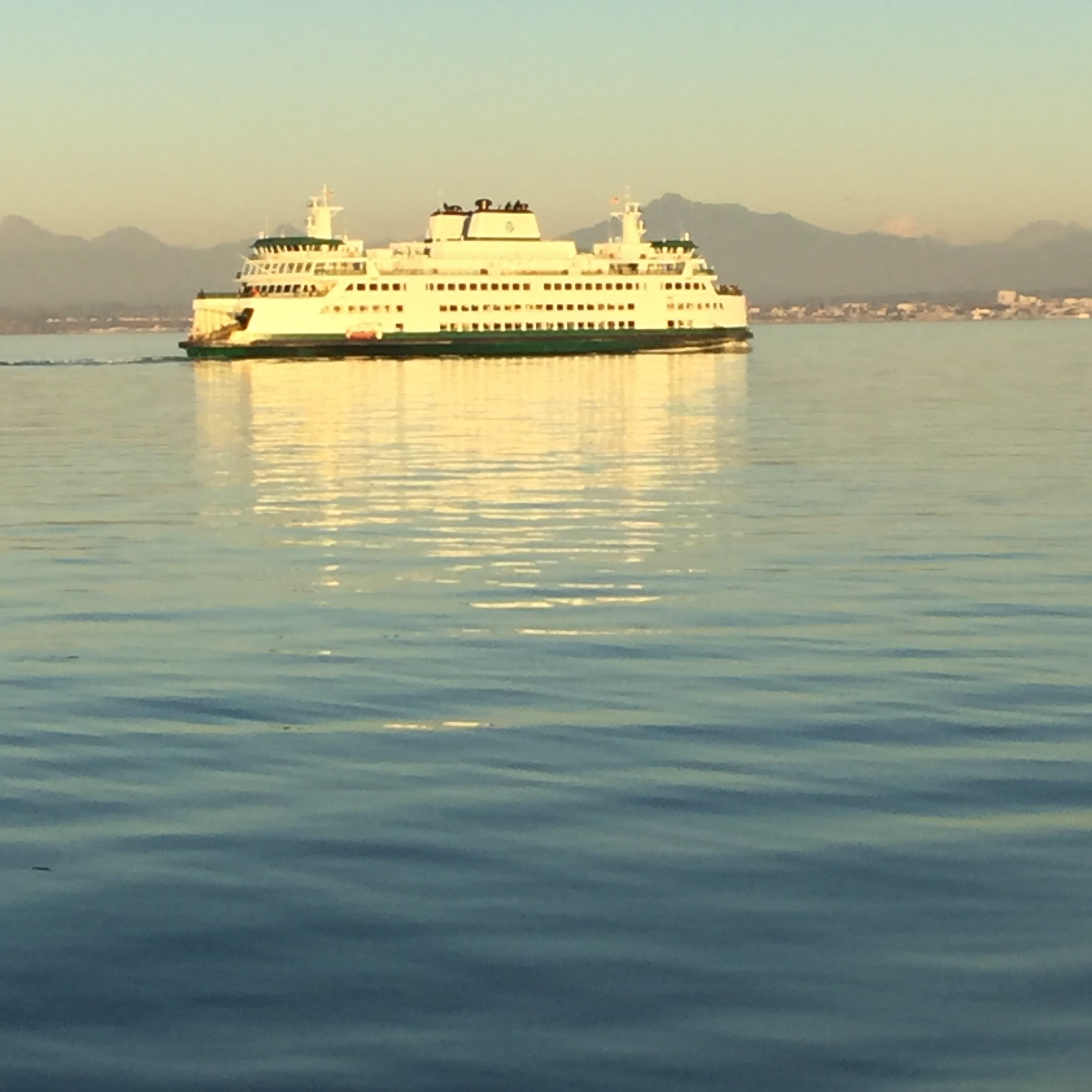
RV Travel on Washington State Ferries: Tips for RVers
Taking your RV on the Washington State Ferries can turn a simple drive into an unforgettable Pacific Northwest adventure. With scenic waterways, island destinations, and some of the region’s most beautiful landscapes just a ferry ride away, traveling by ferry offers a memorable way to explore Washington State by RV.
In this RV Out West Pit Stop episode, Brooks is joined by David, a terminal manager with the Washington State Ferry system, to discuss everything RVers need to know before bringing a motorhome, travel trailer, or camper aboard a ferry.
David shares practical Washington State Ferry tips for RVers, including how ferry travel works, what to know about RV reservations, which routes accept reservations, and why planning ahead matters during the busy summer travel season. He also explains important details about RV length, propane and fuel restrictions, standby travel, arrival times, and loading your RV onto the ferry.
Planning a trip to the San Juan Islands, traveling between Port Townsend and Coupeville, or learning how to navigate Washington State Ferries with your RV? This episode offers useful information to help make your travel day easier.
From knowing your RV’s dimensions to understanding ferry reservations and preparing for the loading process, David provides insider advice to help RVers travel with greater confidence.
Before you pull into the ferry terminal, listen in to learn how to make your next RV ferry trip in Washington State smoother, less stressful, and more enjoyable.
The adventure starts the moment you drive aboard.
SHOW NOTES
Taking Your RV on the Washington State Ferries: What RVers Need to Know
Taking your RV on a Washington State Ferry can be a great way to explore the Pacific Northwest, but there are a few things RVers need to know before pulling into the terminal.
In this episode of RV Out West, Brooks sits down with David, a Washington State Ferries terminal manager, for a practical conversation about taking your motorhome, travel trailer, camper, or other RV aboard the ferry.
From reservations and vehicle length to propane and gasoline restrictions, standby lines and what happens when you show up without a reservation, this episode covers the ferry tips every Pacific Northwest RVer should know before boarding.
In This Episode
A brief history of the Washington State Ferry system
How RV fares are calculated based on vehicle length
Which Washington State Ferry routes offer vehicle reservations
Why reservations are especially important during the busy summer months
What happens if you arrive without a reservation
How standby loading works for RVs
Why you need to arrive early for a reserved sailing
Propane and gasoline restrictions for RVs
Why knowing your RV's exact length matters
Why you may need to tuck in your mirrors before boarding
How low tides can affect RV loading
What to do if you're uncomfortable backing your RV or trailer onto a ferry
Where to find current ferry schedules, fares, reservations and service alerts
RV Ferry Tips From This Episode
Know your RV's dimensions
Your ferry fare can be based on the total length of your vehicle and anything you're towing. Don't assume the length listed on your RV paperwork is necessarily the only measurement that matters. Washington State Ferries notes that length-based fares apply to vehicles 22 feet and longer, including anything being towed.
Reservations are available on two routes
Vehicle reservations are available for:
Anacortes / San Juan Islands
Port Townsend / Coupeville
Reservations are strongly recommended, particularly during busy travel periods.
A reservation is not the same thing as a ticket. You'll still need to pay your fare.
Don't count on standby during peak season
David explains that standby space for larger RVs can be extremely limited. During a busy summer day, arriving without a reservation could potentially mean waiting several sailings, or even much of the day.
Pay attention to propane and gasoline
Washington State Ferries has specific restrictions on portable propane and gasoline. Current WSF guidance says portable propane tanks are subject to a 100-pound total weight limit, while vehicles carrying both propane and gasoline are subject to a combined 12-gallon limit. Permanently installed propane tanks are treated differently.
Always check the current WSF requirements before your trip.
Arrive early
If you have a reservation, don't cut it close. Current WSF guidance recommends arriving 30–45 minutes early for Port Townsend/Coupeville and 45–60 minutes early for Anacortes/San Juan Islands.
Know what's sticking out of your RV
Awnings, mirrors, rear overhangs and other equipment can affect the space your RV occupies. David recommends knowing your vehicle's actual dimensions and tucking in mirrors where possible.
And pay attention to the tide. Low tides can create additional challenges for vehicles with low-hanging or rear-mounted equipment.
Don't be afraid to ask for help
If you're nervous about loading your RV or backing a trailer onto the ferry, ask the terminal staff for assistance. As David explains in the episode, ferry employees can help coach drivers through difficult loading situations.
Plan Your Ferry Trip
Washington State Ferries
Official Washington State Ferries website
Find schedules, current service information, ticket information, ferry alerts and route details.
Vehicle Reservations
Washington State Ferries Vehicle Reservations
Make or manage reservations for the Anacortes/San Juan Islands and Port Townsend/Coupeville routes.
Ferry Fares & Ticket Information
Current WSF ticket and fare information
Check current vehicle and passenger fares before your trip.
What You Can Bring Aboard
Washington State Ferries: What You Can Bring Aboard
Check the latest requirements for propane, gasoline and other restricted items.
Ferry Alerts & Terminal Information
WSF ferry alerts, terminal information and cameras
A useful resource to check before heading to the terminal.
Camper Alerts
Forgot to book your campsite? CamperAlerts can monitor campgrounds and notify you when a cancellation becomes available that matches your criteria.
Listen & Subscribe to RV Out West
Enjoying RV Out West? Please subscribe on your favorite podcast platform and leave a review to help more RV travelers and Pacific Northwest adventurers discover the show..
👉 Sign up via the link in this episode description or visithttps://rvoutwest.com/newsletter
Follow the Journey on Social Media:
Follow RV Out West for more stories about RV travel, camping, boondocking, road trips, live music destinations, and exploring the American West.
Support the Show
RV Out West is built by a community of explorers, storytellers, and weekend wanderers like you. For just $5 a month, you can help keep the show rolling, support the time and resources that go into creating the show. Please consider making a monthly contribution.
Another way to support the show is If you're planning to explore our incredible public lands this year, you'll likely need a park pass anyway. Purchasing your pass through our REI affiliate links is one of the easiest ways to support RV Out West. It doesn't cost you anything extra, but it helps fund future episodes, travel guides, and resources for the RV community.
Every purchase makes a difference, and your support truly means the world to me. Thank you for helping keep RV Out West rolling down the road.
The America the Beautiful Pass is an annual pass that provides access to more than 2,000 federal recreation sites across the country, making it a must-have for exploring many national parks, forests, and public lands in the Pacific Northwest while saving money on entrance fees. Buy pass from REI
The Discover Pass is Washington State’s annual recreation pass that provides access to millions of acres of state-managed lands, including forests, trails, and waterways, helping you explore some of the best outdoor adventures Washington has to offer while covering the cost of maintaining these public spaces. Buy pass from REI
The Northwest Forest Pass is an annual pass that provides access to many recreation sites on National Forest lands in Washington and Oregon, covering day-use fees at popular trailheads, picnic areas, and outdoor destinations so you can spend more time exploring the Pacific Northwest’s forests, mountains, and wilderness areas. Buy pass from REI
Podcast Episode Transcript (EP087):
Pit Stop: RV Travel aboard the Washington State Ferries
Brooks, Host It's time for our pit stop. Here we take a brief rest. It's a time to refuel, recharge, and explore shorter topics that are meaningful and helpful to us, our viewers. Welcome to RV Out West. I'm your host, Brooks. Joining us today is David. He is a Washington State Ferry terminal manager here, and he is going to share all of the insights that you need to know as an rver when taking the Washington State Ferry. David, thank you so much for joining us today.
David, WSF Hey, a pleasure to be here. Pleasure to be here.
Brooks, Host So before we kind of dig in, can you share with us a little bit about kind of the a brief history of kind of the Washington state ferry system and how it kind of came to be?
David, WSF Oh, sure. Yeah, we could get real brief on this one too. Uh, a lot of people don't know, but the Washington State actually bought the ferries from the, what was then the black ball line and took over service in nineteen fifty one. So we now operate about ten routes all the way from Point Defiance in Tacoma up to the Great White North, Anacortes and the San Juans all the way up there. And I'm sure a lot of people are familiar with the in-betweens of Seattle, Mukilteo, and Edmonds. So we definitely have a lot of crossings over the sound.
Brooks, Host Yeah. What are some things that you think our viewers maybe need to know when they're looking to consider traveling on the Washington State Ferry?
David, WSF Yeah. To have a pleasurable crossing have no issues, that kind of a thing. So with RVs, um, basically they're going to want to be concerned. It's a special kind of vehicle, right? I mean, we've got, uh, we've got flammable liquids in the propane there. We've got the size of the RV itself. Um, some of you have those, those mirrors that like to hang out too. But mostly the things that you're going to want to keep in mind is you're bringing your RV on board. The ferry is the length. Definitely want to be familiar with the vehicle length. And if you're carrying any flammable liquids such as propane, gasoline, diesel fuel, we're going to be asking about things like that because there are restrictions on how many containers and limits on how much you can actually bring with you.
Brooks, Host And what are some of those restrictions that people might need to be aware of?
David, WSF Well, for example. So, um, different types of RVs out there. So you're going to have, say like your class A's, you know, you've got your propane plumbed in. Uh, we're not going to have any issue with that at all. Carry as much quantity as you like. However, some of the, uh, maybe like the, uh, the camper style, you know, truck bed kind of RV, uh, if you're, uh, if you don't have your propane hard, hard plumbed into the vehicle itself. Uh, we are going to restrict you to at least twelve gallons. Okay. Um, and keep in mind, uh, those barbecue sized propane tanks that, uh, that we all know and love, those are going to reconsider those about five gallons worth of propane. So it's, uh, it's a capacity limit on those. So we go up to twelve gallons combined in, in propane or gasoline. Okay. Diesel fuel, we're not going to have such a huge issue with, um, but gasoline due to the volatility, we're going to limit you to twelve gallons of gas or twelve gallons of propane or twelve gallons combined.
Brooks, Host So when we start looking at vehicle length, I'm assuming that's a really specific about the cost. Explain to me kind of how that works. And then So what would a ticket price be from, say, Anacortes up to Friday Harbor?
David, WSF Absolutely. Okay. So fares are all going to be route specific. Um, some terminals that are going to be one way. Some terminals such as Anacortes, they're going to be round trip. So the pricing for Friday Harbor, you're looking at everything is vehicle vehicle length based your RV depending on size. Say your typical fifty foot RV to Friday Harbor, you're looking at two eighty five, eighty five for the vehicle and the driver and then current fares for any passengers. Adult passengers are going to be fifteen eighty five. Now that is a round trip fare. Okay. Uh, some some routes are one way. So do do a little bit of research ahead of time. And do keep in mind too, that there are two routes in the system that do operate under reservations. The Port Townsend Coupeville route and the Anacortes San Juan Islands route. When you make that reservation, you're not paying a fair. That is simply just a reservation. Okay. So they'll actually assess you, your fare when you get to the dock.
Brooks, Host Let me ask you this. If I forget to make a reservation and decide to show up at at Coupeville to head out to Port Townsend, which is the entrance way out to kind of maybe taking the ferry out to the Olympic National Park, or if you are wanting to go to the San Juans, what can that look like for me? Like, what kind of weight could I be looking at? Can I still get on same day? Is that not even possible? And I'm talking peak of summer. Let's talk July, August, peak of summer. Like worst conditions, worst case scenario. What does that look like?
David, WSF Okay, well, hopefully you've gotten a reservation ahead of time. Okay, just we'll just say that right out the gate. We do keep standby space available. Um, at least we try. Okay, standby. Let's be real is going to back up throughout the day. Now we're driving RVs onto the boat. Okay. These are larger vehicles. They're going to take up more space on the boat. Uh, and I'm pretty sure a lot of your listeners have seen a ferry before. Those of you that have the center section of the boat, we call that the tunnel. That's where we're going to try and park these large R RVs. And you also can see that there are spaces limited. So we're going to do the best we can. Let's just put that out there. We're going to work as hard as we can for you guys. Uh, that vehicle, that space is space available. So you're going to basically need to wait in line. Um, and that can be depending on a busy July day. That might be all day in some, in some at some locations.
Brooks, Host And that's even with a reservation. No, no, that's if I have no reservation and I decide to show up early and I'm traveling standby. Okay, that makes sense.
David, WSF Speaking of the reservation, so let's say, you know, you are fortunate you have the reservation. We do need we do need people to the checked in and through the ticket booth thirty minutes prior.
Brooks, Host thirty minutes prior.
David, WSF thirty minutes prior to honor the reservation. Unfortunately, again, that space is at a premium. And so we can hold that space available up until thirty minutes prior to sailing time, in which case we turn that any unused space over to the standby lane.
Brooks, Host And then load people.
David, WSF Down and load people that way. Right. So if you have a reservation, yeah, we do ask that you're ticketed and through the booth thirty minutes prior.
Brooks, Host Okay, let's take a moment to pause here and hear from our friends over at Camper Alerts. It's summertime and the great outdoors are calling. But did you forget to book a campsite? Nine months ago? Well don't worry. Say goodbye to sold out campgrounds with camper alerts. With camper alerts. You can choose your campground, select your site type and set a personalized alert. And when a site becomes available, they will notify you. It's that simple. Visit camper alerts dot com today and start setting your alerts. What other just random tips or suggestions do you have for any other RVers who are looking, you know, to go on now? What are some other. Just a little bit of suggestions and tips you might have for them for consideration.
David, WSF So yeah, you've got you've gotten through the traffic to get to the dock. You've, you've made all kinds of friends in the holding lanes there. Now we're ready to get on a boat. That's super awesome. We're on our way. Uh, the things that I see quite often are basically just drivers that are unaware of their vehicle's dimensions. Okay. These RVs, they're going to have stuff hanging out, whether it be off the side with your awning. Uh, your mirrors might stick out a little bit further. You might want to tuck those in. Um, the tail end of your RV might stick out a little further. Now again, mind you, we're we're going to assess fares based on your length. Don't be surprised if you see a ticket seller come out and actually measure the vehicle, because we won't always see that, that, uh, that tailgate action you guys got going on back there that we see. Uh, so if you do also have a lot of a lot of room on the tail there, um, mind the tide. You definitely want to watch the tide because at lower tides, we're not going to be able to get any low hung or overhanging vehicles on as easily. And you guys, uh, we may have some plumbing back there, some things, uh, you know, we don't want to dangle or, or drag on the ground as you're boarding. Um, definitely tuck those mirrors in if you can. And you know what's really, really important that, uh, I know sometimes we don't have much control over is that whole arriving early piece. If you're unfamiliar with how to load on a boat, come talk to one of us. We'll be happy to walk you through it. Um, if you're not so savvy with backing up a trailer, even occasionally. That has to happen. We do have people that know how to do that as well, so we can actually get in and drive your vehicle, but we can definitely coach you through some tough spots if we need to.
Brooks, Host Well, is there anything that we didn't ask that you feel like I should ask that our listeners might need to know?
David, WSF Um, no, actually, we covered most everything you're going to want to know coming on the boat. Basically, it's just understanding the rules when you come in. Okay, we, we operate under the Coast Guard. So we do have to mine some, some rules and restrictions. So you can definitely go to the website and check any of that stuff out for any other questions. That's W s d o t dot wa dot gov. Backslash ferries, all the information on your route, on your fares, uh, any other, uh, maybe, um, service disruptions that may be going on. And if you do travel quite frequently, some of these routes you find yourselves on more often than not, you may want to sign up for the ferry alerts. Very good system to be staying alert on, on what's going on throughout the system.
Brooks, Host And is that same website where I go to make my reservations for the Port Townsend?
David, WSF Absolutely. Absolutely. It's almost like one stop shopping. I believe you can get your fares for a non-commercial vehicle through there. Generally at the web store, it's only the under twenty twos. I'd have to check that out. But yes, that website, you can get your reservations. You can even purchase your fares online. Also has some more information as far as disability access, senior discounts, that type of thing.
Brooks, Host But I'm not going to pay for my fare on the RV yet because I'll pay for that when I come through the the toll booth.
David, WSF Correct. More often than not, yes. We're not going to assess a fare, um, until you get to the dock itself. Also. That's a great I'm glad you asked because a lot of times too, not only when people make those reservations, they think they're booking their trip and paying for it outright. And unfortunately, we don't know how many people you're bringing with you until you actually show up.
Brooks, Host So I do need to give a credit card when I make that reservation.
David, WSF Yes, it's a free reservation. You'll put a credit card number on just to hold your spot. They do assess you a no show fee. If again, you're not at the dock checked in that thirty minutes prior.
Brooks, Host Okay. Well, David, thank you so much for taking the time to chat with us here on RV Out West. We really appreciate it. Thank you.
David, WSF My pleasure. Have a good one, everybody.
Brooks, Host Thank you so much for listening. If you have an idea for a topic you'd like me to discuss, please contact me via RV outwest dot com. I would also encourage you to start using hashtag RV Out West for your social media posts. Share with our community about your camping and RV adventures that you've taken here in the Pacific Northwest. Thanks so much for listening to RV out West. Join us again in two weeks with our next episode. Please like and subscribe to our podcast on iTunes or wherever you choose to get your podcasts so you never miss an episode. And I sure would appreciate if you left a rating or a review of the show. Special thanks to Scott Holmes Music for providing the intro song. We Are One RV Out West can be found on Instagram and Facebook, where you can interact with us and follow along on our RV adventures around the Pacific Northwest. So get out there, explore, and go see what's beyond the horizon.