The Olympic Rain Shadow
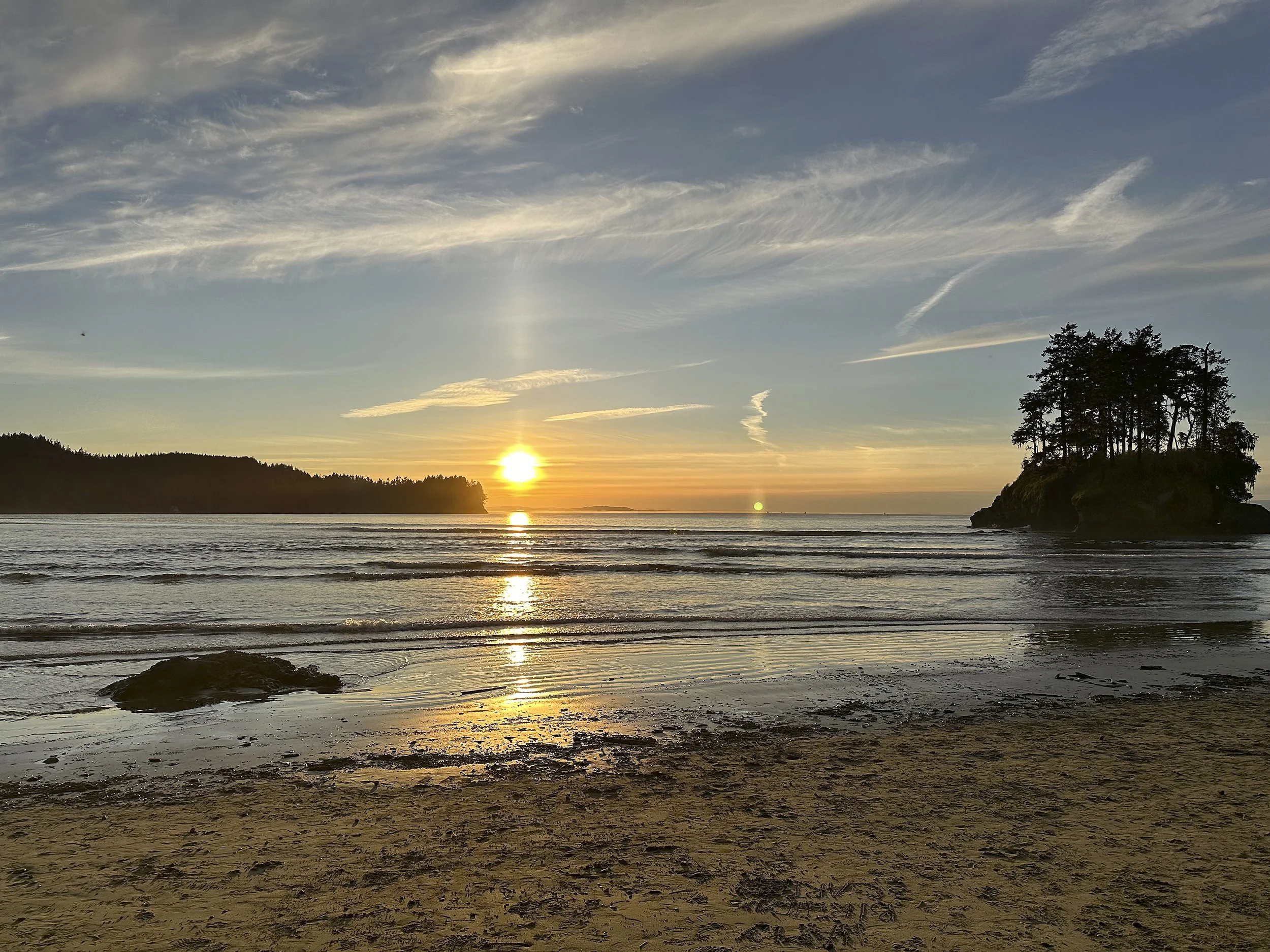
Sunset over the Strait of Juan de Fuca from Salt Creek Recreation Area 📸 Josh S. (listener)
Driving into the Olympic Rain Shadow feels like crossing an invisible line. One moment you are in thick forest and steady rain, and the next the skies open up along the Strait of Juan de Fuca. Tucked into the northeast corner of Washington’s Olympic Peninsula, this pocket sees far less rainfall than the surrounding region, which makes it a dependable spot for RV travel, long campground stays, and time outside without constantly checking the forecast.
If you are mapping out an RV trip through Washington, this stretch of the peninsula is worth slowing down for. Stops like Port Townsend, Sequim, and Port Angeles each offer their own mix of waterfront views, small-town energy, and easy access to trails and shoreline.
What Is the Olympic Rain Shadow?
The rain shadow effect is created when moist air from the Pacific Ocean moves inland and is forced upward by mountain ranges. In Washington State, both the Cascade Range and the Olympic Mountains play a role. As the air rises, it cools and drops precipitation on the windward side. Once it passes over the mountains, the air descends, warms, and dries out. This process, known as orographic lift, creates a noticeably sunnier and drier climate in areas like Port Townsend, Sequim, and Port Angeles.
For perspective, in the heart of the Olympic rain shadow, you’re looking at roughly 15–17 inches of rain per year on average. That’s extremely dry for western Washington and closer to what you’d expect in parts of California than the Pacific Northwest. Compare that to Seattle, which averages around 35–45 inches annually, depending on the measurement site.
Put simply, the rain shadow gets about half to one-third of Seattle’s rainfall. That’s why you can drive a couple of hours from Seattle into the northeast Olympic Peninsula and suddenly find blue skies, dry campgrounds, and far more reliable conditions for being outside.
Port Townsend: Maritime Heritage, Victorian Streets, and Waterfront Culture
In downtown Port Townsend, the streets feel like they carry stories from another era, with tall brick buildings lining the waterfront and the scent of salt air drifting in from the bay. You can wander past old storefronts, step into record shops or bookstores, and hear the low hum of conversation spilling out from cafés. Boats rock gently in the marina just a block away, and as the light shifts toward evening, the whole place takes on a quiet glow that makes it easy to slow down and stay a while.
Port Townsend sits at the northeastern tip of the Olympic Peninsula and is known for its seaport history and vibrant arts scene. Originally named by George Vancouver in 1792, the town grew with ambitions of becoming a major West Coast harbor. Today, it offers a compact and walkable downtown filled with shops, restaurants, and cultural events.
Once you’ve taken in the feel of downtown Port Townsend, it does not take long to realize there is plenty to keep you busy. From waterfront walks and local shops to live events and nearby outdoor spaces, this small coastal town offers a mix of activities that can easily fill a full day or stretch into a long weekend.
A few of my favorite things to do in downtown Port Townsend:
Browse local shops and stop into Quimper Sound Records if you enjoy digging through crates of vinyl records
Enjoy fresh seafood along the waterfront. There are many restaurants to choose from. You can’t go wrong with Fountain Cafe though. They are a small restaurant so reservations are highly encouraged.
Grab a pint at Port Townsend Brewing Company
After you’ve explored the shops, waterfront views, and historic streets of downtown Port Townsend, it’s worth looking at what brings the town to life on a larger scale. Throughout the year, the same streets you just wandered transform into gathering places filled with music, art, food, and storytelling. From long-standing cultural celebrations to lively seasonal events, the festival scene here adds another layer to the experience and gives you a reason to plan your visit around something special.
Annual Events Worth Planning To Check Out:
Port Townsend Film Festival (last weekend in September) Learn more: https://ptfilm.org
Seventy48 (Race is weekend after Memorial Day) Details: https://seventy48.com
Jazz Port Townsend (last weekend in July) Info: https://centrum.org/program/jazz/
RV Camping Near Port Townsend
The best place to stay is Fort Worden State Park. This former military installation was part of the “Triangle of Fire” defense system alongside Fort Flagler and Fort Casey.
Reserve camping: https://parks.wa.gov/find-parks/state-parks/fort-worden-state-park
Expect high demand during peak season
Easy access to downtown and waterfront
Leaving Port Townsend, the road eases you out of its Victorian streets and onto the quiet stretch of Highway 20 Washington State Route 20, where the pace slows and the scenery starts to open up. To your right, glimpses of Discovery Bay appear between evergreens, the water often calm and reflecting the shifting gray-blue sky. The drive feels unhurried, with farmland, weathered barns, and pockets of forest giving way to wider views as you move deeper into the Olympic rain shadow. By the time you reach Sequim, the landscape noticeably brightens. You’ll often find clearer skies and drier air here, a result of the nearby Olympic Mountains blocking much of the region’s rainfall. It is a short drive at roughly 30 miles, but it carries a distinct shift in mood, from coastal history to open, sunlit fields that hint at the lavender farms waiting just beyond town.
Sequim: Sunshine, Lavender Fields, and Coastal Exploration
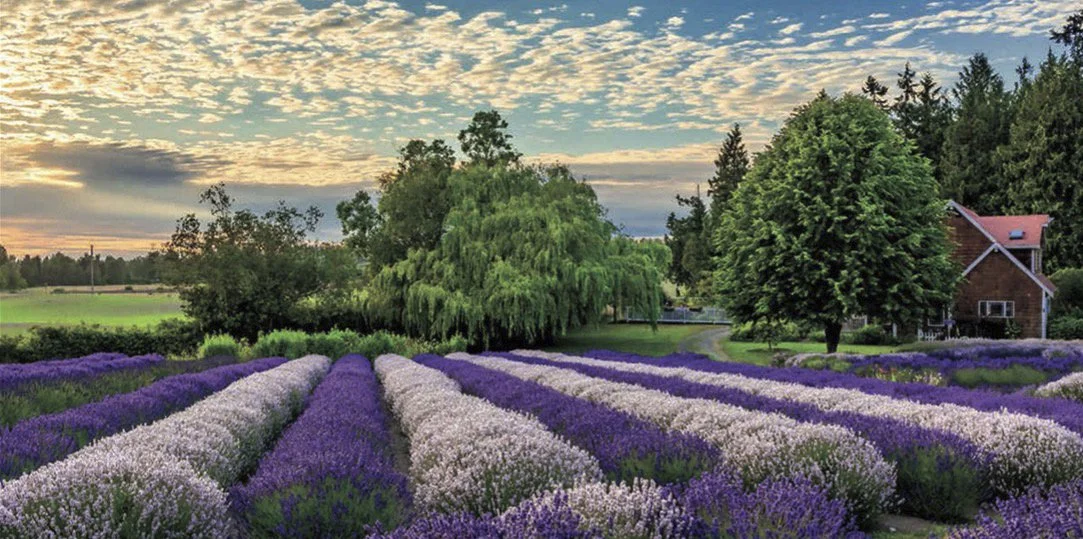
Set in the heart of the rain shadow of the Olympic Mountains, Sequim feels like a quiet surprise in the Pacific Northwest. The air is lighter and drier, and on many days the sun stretches longer across open fields where lavender farms line the outskirts of town. As you move through Sequim, you notice a slower rhythm, with small local shops, wide skies, and views that shift from farmland to the distant blue of the Strait. It is the kind of place where you linger a little longer than planned, drawn in by the calm and the steady sense of space.
About 45 minutes west of Port Townsend, Sequim is often called one of the sunniest places in western Washington. It is also known for its agricultural roots and connection to The Boys in the Boat through the story of Joe Rantz.
Dungeness Spit and Camping
Dungeness National Wildlife Refuge is home to the iconic Dungeness Spit Recreation Area, a scenic destination known for its long natural sand spit, wildlife viewing, and hiking along the Strait of Juan de Fuca. While there is no campground within the refuge itself, nearby options like Dungeness Recreation Area Campground provide convenient camping with easy access to the trailhead and coastal views.
Dungeness Spit is one of the longest natural sand spits in the United States, stretching about five miles into the Strait of Juan de Fuca. Formed by ocean currents depositing sand over thousands of years, it creates a unique coastal habitat that supports a wide variety of birds, marine life, and native plants. The spit is part of the Dungeness National Wildlife Refuge and is a popular destination for hiking and wildlife viewing.
Nearby camping is available at Dungeness Recreation Area:
Campground info: https://www.clallamcountywa.gov/301/Dungeness-Recreation-Area
Family-friendly sites
Easy access to the beach and lighthouse trails
For a different kind of stay along the Olympic Peninsula, park your RV nearby and trade a standard campsite for something far more memorable at Dungeness Spit Lighthouse. Through the Keeper Program, you can volunteer to live on-site, help care for the historic light station, and spend your days greeting visitors and watching the tide roll in at the edge of the Strait.
More Things to Do in Sequim
Visit Olympic Game Farm https://olygamefarm.com
Attend the Sequim Lavender Festival: https://lavenderfestival.com
During peak bloom, the surrounding fields fill the air with the scent of lavender and create striking scenery for photos and sightseeing.
Leaving Sequim, the road toward Port Angeles gradually tightens into a more dramatic stretch of the Olympic Peninsula. You’ll follow U.S. Route 101 Washington as it runs between open farmland and the edge of the Strait of Juan de Fuca, where the water often shifts from calm glass to wind-ruffled gray. The drive feels like a slow reveal, with the land rising slightly and the mountains beginning to press closer into view as you approach the foothills of the Olympic Mountains. It is a short trip of about 17 miles, but the scenery changes quickly, trading Sequim’s wide, sunlit fields for denser forest, cooler air, and the sense that you are moving deeper into the wild edge of the peninsula.
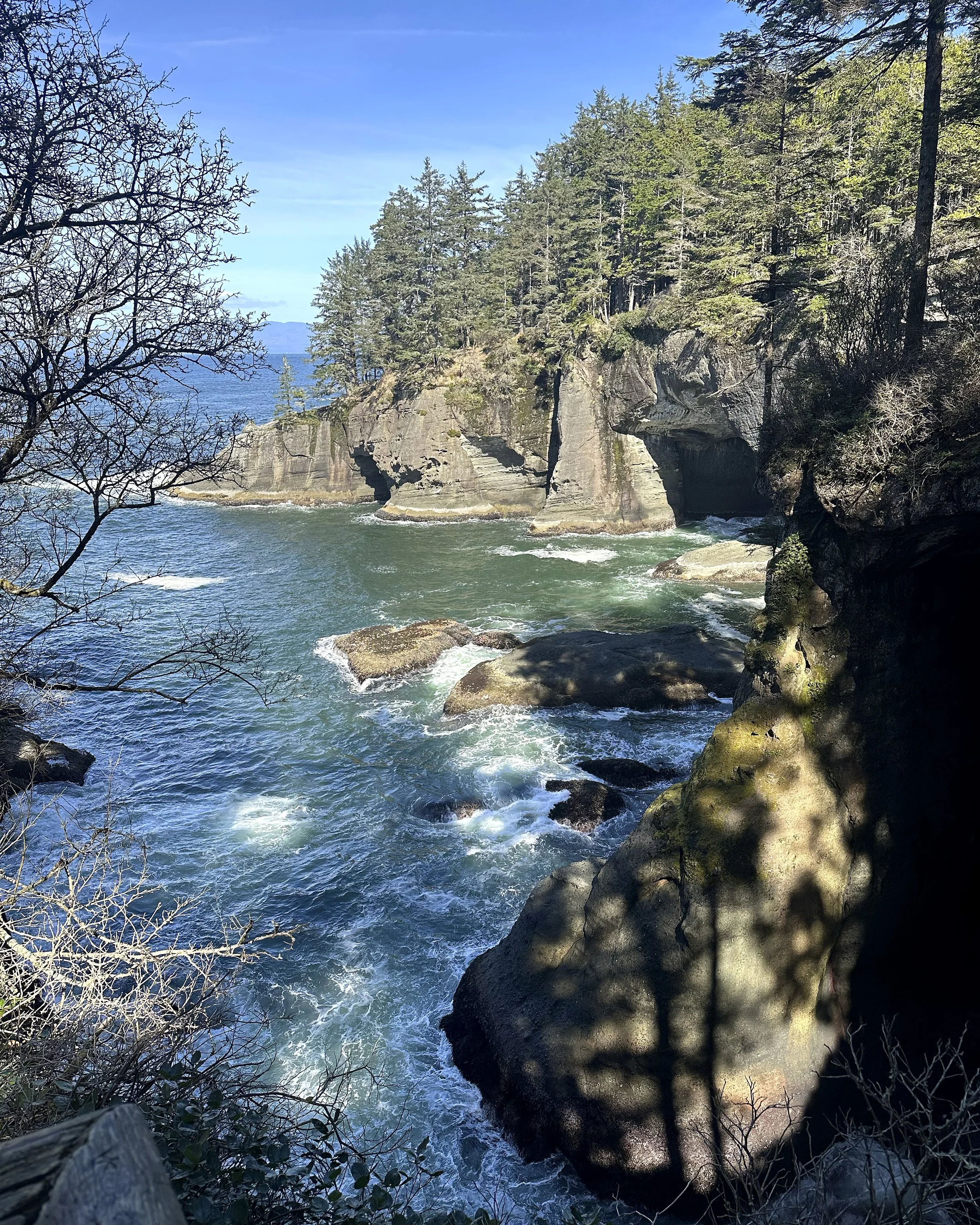
Salt Creek Recreation Area 📸 Josh S. (listener)
Port Angeles: Gateway to Olympic National Park
Port Townsend sits at the edge of the water like a postcard from another era, where historic Victorian buildings line the hillside above a busy but unhurried waterfront. The streets carry a mix of maritime history and creative energy, with weathered brick, painted storefronts, and views stretching across the Puget Sound toward distant mountains. As ferries come and go and sailboats drift through the harbor, the town feels both grounded in its seafaring past and alive with the rhythm of a coastal community that never quite rushes.
Port Angeles serves as a key hub for supplies, dining, and access to the surrounding wilderness. It is also a launch point for exploring Olympic National Park.
Salt Creek Recreation Area
Located about 20 minutes west of town, Salt Creek Recreation Area is a standout coastal campground.
Reservations: https://www.clallamcountywa.gov/588/Salt-Creek-Recreation-Area
Tide pools, hiking trails, and coastal views
Whale watching opportunities, including gray whales and orcas
This area is also popular for scuba diving and fishing.
Diving the Diamond Knot Shipwreck
Advanced divers may be interested in the wreck of the SS Diamond Knot, which sank in 1947 after a collision. It rests at depths between 70 and 130 feet and remains a well-known dive site in the region.
RV Overnight Option
Elwha River Casino offers free overnight RV parking.
No hookups
Check in with security
Join the free player’s club
Nearby Day Trips from Port Angeles
Elwha River Restoration: The Elwha River is one of the largest dam removal success stories in the United States. The removal of the Elwha Dam in 2011 restored salmon runs and natural ecosystems.
Read more from The Seattle Times: https://special.seattletimes.com/o/flatpages/specialreports/elwha/index.html
Lake Crescent is known for its deep, clear waters, reaching depths over 600 feet.
Scenic viewpoints
Fishing and kayaking
Located within Olympic National Park
Sol Duc Hot Springs
Relax at Sol Duc Hot Springs:
Managed by the National Park Service concessionaire
Cabins, campground, and soaking pools
No cell service, ideal for unplugging
Plan your visit: https://www.olympicnationalparks.com/sol-duc-hot-springs-resort
Getting There with an RV
There are several ways to reach the Olympic Rain Shadow region:
Ferry from Coupeville to Port Townsendhttps://wsdot.com/ferries/schedule/scheduledetailbyroute.aspx?route=pt-key
Ferry from Edmonds to Kingston, then drive across the Hood Canal Bridge: https://wsdot.com/ferries/schedule/scheduledetailbyroute.aspx?route=ed-king
Drive via Highway 101 around the Olympic Peninsula
Reservations are strongly recommended when traveling with an RV on Washington State Ferries.
The Olympic rain shadow is more than a gateway to Olympic National Park. It is a destination that rewards those who slow down. With its drier climate, open skies, and easy access to water, trails, and small coastal towns, it offers a kind of consistency that is hard to find elsewhere in the Pacific Northwest. For RVers, that means more time outside, fewer weather interruptions, and the freedom to settle in for a few days without constantly chasing better conditions.
What makes this region stand out is how it balances access and escape. You can spend the morning exploring alpine ridges or rainforest valleys inside the park, then return to the calmer, sunnier conditions of the rain shadow by afternoon. Add in places like Sequim, Port Townsend, and Port Angeles, and you have a stretch of coastline that invites you to linger, not just pass through.