7 Reasons RVing in the PNW Feels Different
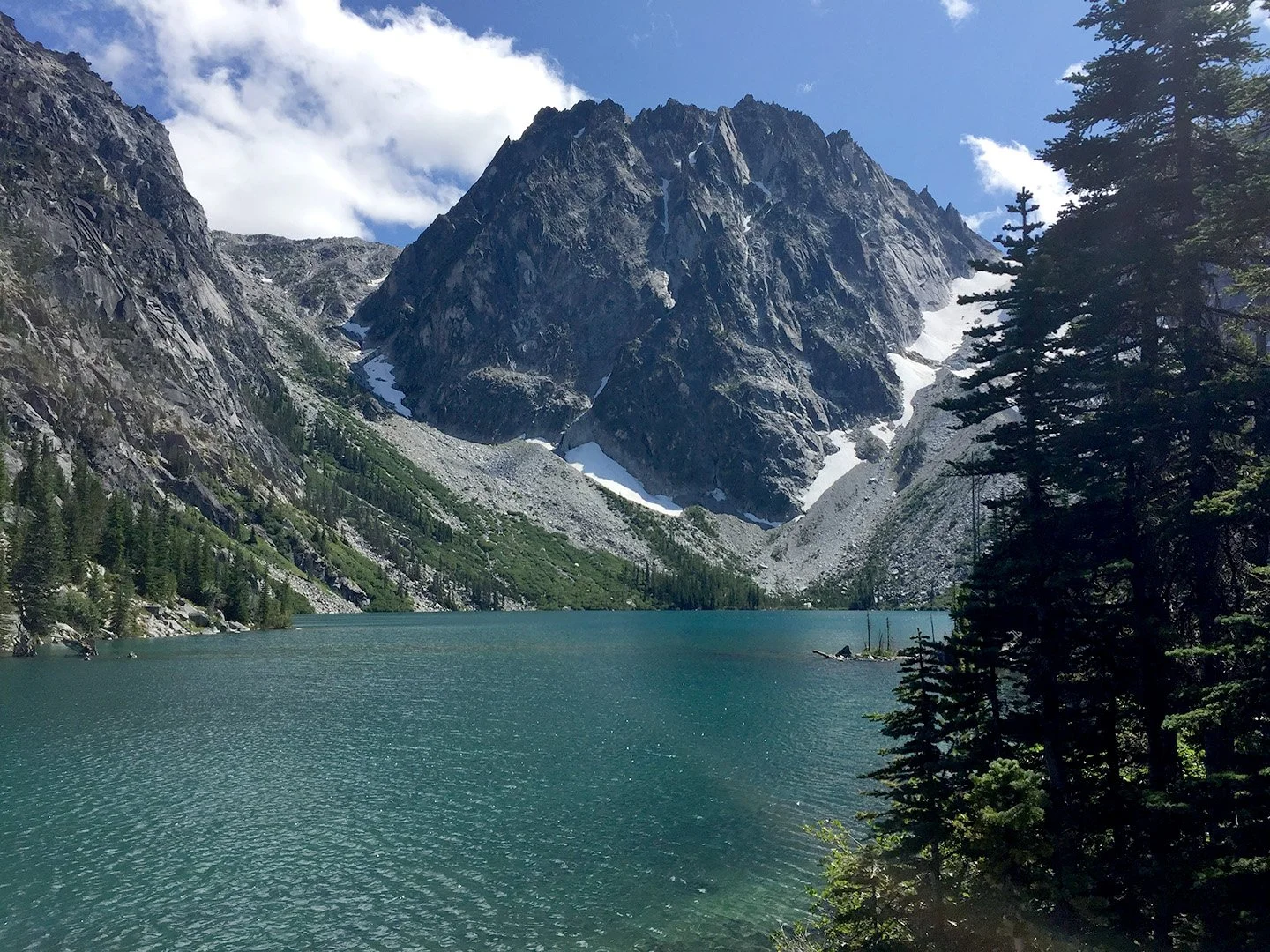
Colchuck Lake in The Enchantments
There’s a moment that happens in the Pacific Northwest. You step outside, take a breath, and you’ll notice it. A mix of salt in the air and cool mountain freshness that feels grounding and familiar all at once. I was born and raised here, spent a decade away exploring the country and the world, and yet that feeling always pulled me back. Some places you visit. Others stay with you.
This episode explores RVing in the Pacific Northwest through the seven things that make it so special. From weather that shapes the land instead of disrupting it, to seasons that reward patience and flexibility, the PNW teaches a different way to travel. Forests, rivers, and coastlines create a rhythm you learn to follow, not fight. Mountains reveal themselves on their own terms, long summer daylight stretches travel days, and quieter moments invite you to slow down and stay awhile.
Along the way, we dig into the state parks, public lands, and waterways that make RV travel here so accessible and rewarding. This is a region where boondocking feels endless, campgrounds sit inside living landscapes, and outdoor recreation is always close by. If you’ve ever wondered why RVers fall hard for the Pacific Northwest, or why once you travel here it becomes the benchmark for everywhere else, this episode tells that story.
SHOW NOTES
Episode Overview
An ode to the Pacific Northwest (PNW) and why RVing here feels unlike anywhere else; from scent and weather to seasons and landscapes.
A reflection on how life in the PNW influences pace, patience, and perspective.
Seven key aspects that make RV travel in the PNW special: biodiversity, weather, seasons, state parks, public lands, waterways/coastlines, and abundant outdoor recreation.
Featured Points of Interest & Links
Coastlines & Beaches
Long Beach, Washington – Famous for its long, flat sandy beaches where you can sometimes drive right onto the sand (seasonal and regulated). More details on local driving rules and access here: Long Beach WA Visitor Guide (driving info and tips).
↳ https://rootednroaming.com/long-beach-washington/Ocean Shores, Washington – A classic Pacific Northwest beach town with wide-open shoreline, beachfront RV parks, razor clam digging, horseback riding, and more.
↳ https://www.rvoutwest.com/episodes/destinations-ocean-shores-wa
Natural Highlights
Cape Disappointment State Park (WA) – Dramatic coastline, Lewis & Clark history, lighthouse views, and access to beaches near Long Beach.
↳ https://www.parks.wa.gov/505/Cape-DisappointmentOswald West State Park (OR) – Oregon coast forest and beach access near Cannon Beach, with miles of trails and ocean overlooks.
↳ https://en.wikipedia.org/wiki/Oswald_West_State_Park
State & Public Lands
Washington, Oregon & Idaho State Parks – The backbone of RV camping in the region, with hundreds of parks (many with RV hookups) across forests, deserts, rivers, and coasts.
↳ Washington State Parks: https://parks.wa.gov
↳ Oregon State Parks: https://stateparks.oregon.gov
↳ Idaho State Parks: https://parksandrecreation.idaho.gov/state-parks
Waterways & Lakes
Lake Chelan (WA) – Mountain-framed lake great for paddling and scenic stays.
↳ https://www.visitchelancounty.com/Crater Lake (OR) – Iconic deep blue lake within a national park setting.
↳ https://www.nps.gov/crla/index.htmRedfish Lake (ID) – Clear alpine lake with calm water and great views.
↳ https://www.fs.usda.gov/recarea/scnf/recarea/?recid=74996
Related RV Out West Episodes
Driving on Washington & Pacific Coast Beaches
Pit Stop: Driving The Pacific Coast Beaches (Episode 112) — A focused conversation about driving coastal beaches (including WA beaches), safety, and rules you’ll want to know before hitting the sand.
Listen here:
↳Apple Podcasts version of Episode 112 (Driving the Pacific Coast Beaches)
https://podcasts.apple.com/us/podcast/pit-stop-driving-the-pacific-coast-beaches/id1555183465?i=1000662264546
↳Over on our website
https://www.rvoutwest.com/episodes/pit-stop-driving-the-pacific-coast-beaches
Other Episodes You May Enjoy
Destinations: Ocean Shores, WA — Guide to this beach town and RV travel tips.
↳ https://www.rvoutwest.com/episodes/destinations-ocean-shores-waPit Stop: Why I Love RVing in the PNW — A personal take on RVing across the region.
↳ https://www.rvoutwest.com/episodes/pit-stop-why-i-love-rving-in-the-pnwDestination: The Pacific Northwest Rain Shadow — Discover sunnier microclimates like Sequim and Port Townsend.
↳ https://www.rvoutwest.com/episodes/destination-the-pacific-northwest-rain-shadow
Outdoor Recreation Highlights (PNW)
Hiking:
The Enchantments (WA) — Alpine lakes and rugged peaks.
↳ https://www.wta.org/go-hiking/hikes/the-enchantments-coreSilver Falls State Park (OR) — Famous waterfalls loop.
↳ https://stateparks.oregon.gov/index.cfm?parkId=248
Winter Sports: Stevens Pass, Mt Baker, Mount Hood, and more for snowboarding and skiing.
Preparation Tips for RVers in the PNW
Weather can shift quickly — layers & rain gear are essential.
Learn mountain passes and seasonal closures before traveling.
Apps like Campendium, FreeCampsites.net, and iOverlander help find boondocking spots on public lands.
Continue the Stories with RV Out West
Resources & Newsletter:
Sign up for the RV Out West newsletter for episode highlights, PNW guides, and road trip inspiration at RV Out West: https://www.rvoutwest.com/newsletter
Follow the Journey on Social Media:
Podcast Episode Transcript:
7 Reasons RVing in the PNW Feels Different
Ever wondered why RVing in the Pacific Northwest feels like no other place on Earth? We’re counting down the 7 reasons the PNW is every RVer’s dream.
This episode is going to be an Ode to the Pacific Northwest. I’m born and raised here. I did spend a decade away, exploring, traveling and seeing other parts of the United States and the world, but there was always a calling to return to the Northwest. What’s weird is that during that decade away, whenever I would visit here, there was a distinct smell right when I would get off an airplane. The PNW smells different from other places. I know this may sound silly, but seriously once you smell past the jet fuel, you’ll smell the salt in the air mixed with the fresh mountain air and it is a smell unlike any other place I’ve ever been to. It really is intoxicating.
I want to share seven wonderful things that make RVing in the Pacific Northwest so special and remarkable.
The Pacific Northwest isn’t something you arrive at. It’s something you grow into, slowly and without ceremony, until you realize it has shaped how you think, move, and breathe. Rain becomes familiar, even welcomed, not as a disruption but as a steady presence that keeps everything alive. Gray skies stop needing explanation. They mean green hillsides, full rivers, and forests that hold their ground year after year. This place teaches you early that home doesn’t have to be loud to be powerful.
Living here sharpens your awareness of the subtle and the seasonal. You notice how the air shifts after the first fall rain, how the world quiets under low clouds. Mountains don’t show themselves every day, and that’s part of the understanding. They appear when the timing is right, when patience has done its work. You learn the roads that trace rivers, the trails that stay empty when the timing is right, the ferry rides that feel less like travel and more like tradition. You know which mornings call for strong coffee, layered clothing, and an unhurried start.
The Pacific Northwest teaches patience without asking for it directly. Plans bend. Light sets the mood. Summer stretches long into the evening, offering warmth and forgiveness after months of shadow, while winter pulls you inward, slowing the pace and sharpening focus. Solitude feels grounding here, not isolating. The quiet between storms becomes something you look forward to.
This land leaves its mark in small, lasting ways. Moss softens buildings and time itself. Water shapes the terrain and the people who move through it. Distance is measured in mountain passes, ferry crossings, and weather windows instead of miles. Beauty here doesn’t need an audience. It exists in drifting fog, in rain tapping a roof at night, in the steady rhythm of your breath on a trail.
Once the Pacific Northwest claims you, it stays with you. It becomes the measure for every place that comes after. Your body remembers cool mornings, clean air, and the calm that comes from trees and water on the horizon. Leaving might happen, but forgetting doesn’t.
That beauty, the kind that seeps in slowly and stays, is not accidental. It’s the result of an ecosystem working in quiet balance, shaped by rain, elevation, and time. The forests, rivers, coastlines, and mountains that define the Pacific Northwest are alive with more than scenery, they are home to an extraordinary range of life, each species woven into the next. To truly understand why this place looks and feels the way it does, you have to look beyond the view and into the living systems that sustain it.
The Pacific Northwest is one of the most biologically rich regions in North America, and for you as an RVer, that diversity translates into constantly changing landscapes within a single drive. Coastal rainforests give way to alpine meadows, volcanic high deserts, fertile river valleys, and rugged shorelines, all supported by a mix of ocean influence, steady rainfall, and dramatic elevation shifts. This range of ecosystems means wildlife is part of the experience, not an exception. Eagles along rivers, elk in forest clearings, whales off the coast, and wildflowers carpeting mountain passes are common sights when you travel slowly and stay observant.
This biodiversity shapes how and where you camp. Public lands, national forests, state parks, and coastal areas offer campgrounds set right inside these living systems, often with trailheads, waterways, and scenic overlooks just steps from your rig. Each season brings something different, from spring blooms and migrating birds to fall color and spawning salmon. The variety keeps routes flexible and trips fresh, making it easy to plan journeys around nature rather than mileage. In the Pacific Northwest, biodiversity isn’t just something you learn about, it’s something you park beside, wake up to, and travel through every day.
All of this biodiversity is deeply tied to the Pacific Northwest’s weather. Rain, cloud cover, snowpack, and seasonal temperature shifts don’t just set the mood, they determine how life thrives here. Moist coastal air feeds dense forests, winter snow stores water for summer rivers, and mild temperatures allow ecosystems to remain productive year-round. The region’s reputation for unpredictable skies is exactly what sustains its richness, shaping habitats, migration patterns, and the steady renewal that keeps the landscape alive.
Weather in the Pacific Northwest is less about extremes and more about movement. Conditions can shift quickly as you travel from coast to mountains to desert in a single day, and that variety is part of the experience. As an RVer, it means learning to dress in layers, carry rain gear year-round, and plan with flexibility in mind. A cool, misty morning can turn into a warm afternoon, then slide back into fog by evening. Forecasts are helpful, but awareness and adaptability matter more.
Being prepared here makes travel smoother and more rewarding. Good tires, working wipers, and an understanding of mountain passes and snow levels go a long way. Campsites feel more comfortable when you’re ready for damp mornings, breezy coastlines, or sudden sunshine breaking through cloud cover. Accepting that plans may shift with weather opens the door to better experiences, fewer frustrations, and a deeper connection to the place. Here in the Pacific Northwest, the weather isn’t something to fight against, it’s something to travel with, shaping how you move, where you stop, and how fully you experience the journey.
The Pacific Northwest moves through its seasons with a clear sense of progression, each one distinct yet connected. Change happens gradually, marked by shifting light, cooling air, and subtle changes in the landscape rather than sudden extremes. These seasonal transitions shape how people live, travel, and spend time outdoors, creating a rhythm that rewards awareness and patience. Understanding the seasons here means understanding when to explore, when to linger, and when to simply settle in and let the landscape set the pace.
Daylight is a quiet but powerful force, shaping both the landscape and the way you choose to travel through it. In late spring and summer, long days stretch well into the evening, giving you all those extra hours to explore trails, paddle rivers, drive scenic routes, and settle into camp without feeling rushed. That extended light fuels growth across the region and creates a rhythm that rewards early starts and lingering sunsets. For all of us, it naturally lengthens our RV camping season, allowing for a slower pace, greater flexibility, and a sense of spaciousness that carries us through every day on the road.
As the year turns and daylight gradually shortens, the experience shifts rather than ends. Fall brings earlier evenings that invite slower nights around camp, warm meals, and quiet reflection after days spent exploring. The cooler air and softer light create a sense of comfort, making time inside the RV feel intentional and grounding. For many, this transition is part of the appeal, trading long summer evenings for a cozier rhythm that pairs perfectly with autumn landscapes and fewer crowds.
September is my favorite time to RV in the Pacific Northwest. The weather settles into the low to mid 70s with clear skies and warm days that still cool off at night. Campgrounds grow quieter as families shift back into school routines, and the pace of travel softens. It feels like the region exhales, offering space, calm, and some of the best conditions of the year to explore.
The state park system is the backbone of RV travel in the region, offering access to its forests, coastlines, rivers, and mountains in a way that’s both convenient and immersive. These parks provide well-maintained campgrounds, trailheads, and scenic overlooks, making it easy to experience the region’s beauty without leaving comfort behind. For RVers, they’re more than places to park—they’re gateways to adventure, connecting travelers directly to the landscapes, wildlife, and experiences that make the Pacific Northwest so special.
Washington, Oregon, and Idaho boast some of the most extensive and accessible state park systems in the Pacific Northwest, making them a dream for you. Washington alone has over 120 state parks, many with campgrounds designed specifically for RVs, while Oregon offers more than 35,000 acres of state park land with nearly 70 campgrounds spread across the coast, mountains, and high desert. Idaho, with its rugged landscapes and abundant waterways, provides more than 25 state parks with RV-friendly sites. Across the region, there are hundreds of individual campgrounds where you can park your RV, explore, and enjoy the outdoors without venturing far from essential amenities.
Many of these campgrounds offer full or partial hookups including water, electricity, and sewer connections, as well as dump stations, picnic areas, and convenient access to hiking trails, beaches, and lakes. Some parks feature pull-through sites that make parking larger rigs easier, and many provide scenic views that put you right in the heart of the natural beauty the Pacific Northwest is known for. From coastal cliffs and old-growth forests to alpine lakes and desert landscapes, the state park systems in Washington, Oregon, and Idaho give you the freedom to explore, camp comfortably, and stay connected to nature no matter the season.
Beyond state parks, the Pacific Northwest is defined by its vast public lands, offering you even more freedom to explore. National forests, BLM lands, and wilderness areas stretch across mountains, valleys, and coastlines, providing opportunities for camping, hiking, and adventure far from crowded campgrounds. Access to these lands allows travelers to experience the region’s landscapes in a raw, unfiltered way, giving you the flexibility to stay off the beaten path while still being part of the living, breathing ecosystems that define the area.
Finding boondocking spots takes a bit of research but is easier than many think. Online apps and websites like Campendium, FreeCampsites.net, and iOverlander provide up-to-date information on public land access, road conditions, and campsite reviews from fellow RVers. National Forest offices and BLM visitor centers also offer maps and advice on where you can find RV-friendly dispersed camping that is allowed. While these spots often lack amenities, you can still enjoy fire rings, picnic tables, and proximity to trails or rivers, making them perfect if you are one who enjoys prioritizing immersion in nature and flexibility in your travel plans. With the right planning and respect for the land, public lands in the PNW provide some of the most memorable and rewarding camping experiences available.
The waterways and coastlines of the Pacific Northwest are the veins and edges of the region’s landscapes, shaping both the scenery and the experiences for those lucky enough to RV here. Rivers, lakes, and estuaries carve through forests and valleys, while the rugged coastline offers dramatic cliffs, sandy beaches, and tide pools teeming with life. For you, these water-rich areas aren’t just beautiful to drive past—they provide destinations for fishing, kayaking, paddleboarding, and wildlife viewing, adding another layer of adventure and connection to our region’s natural rhythms.
Oregon and Washington’s coastal highways wind alongside dramatic cliffs, sand dunes, and wide beaches, some of which allow you to drive right onto the sand for a truly immersive experience. Beaches like Long Beach, Ocean Shores or Cape Disappointment offer easy access for RV parking and oceanfront views, while the tide pools and estuaries are perfect for short explorations and wildlife watching. Inland, the region is dotted with countless lakes and rivers where you can launch kayaks or paddleboards, with places like Lake Chelan in Washington, Crater Lake in Oregon, or Redfish Lake in Idaho providing clear waters framed by mountains, making paddling a serene and unforgettable experience.
If you’re seeking both convenience and adventure, these waterways offer a variety of experiences. Lakes such as Jenny Lake in Washington’s Olympic National Park or Waldo Lake in Oregon combine RV-accessible campgrounds with paddling and hiking opportunities, letting you park close to nature without sacrificing comfort. Many rivers, including the Deschutes and Snake, provide stretches perfect for floating, fishing, or even gentle rafting. Planning your route along these waterways ensures you can wake up to reflective waters, spend days on the lake, and end evenings watching sunsets over the ocean or rivers, making the Pacific Northwest’s aquatic landscapes a central part of the ultimate RV experience.
All of these elements—the region’s rich biodiversity, dynamic weather, distinct seasons, extensive state parks, vast public lands, and breathtaking waterways and coastlines—come together to make outdoor recreation in the Pacific Northwest incredibly varied and rewarding. Whether you’re chasing wildlife along a river, hiking a mountain trail, paddling a serene lake, or exploring a quiet forest campground, the PNW offers experiences that change with the seasons and the landscape. For RVers, this combination means every trip can be different: every route, every stop, and every day brings new opportunities to move, explore, and connect with nature in ways that are as wide-ranging as the region itself.
Hiking is at the top of the list, from challenging alpine treks like the Enchantments in Washington’s Cascades, where emerald lakes and jagged peaks create a truly unforgettable backdrop, to gentler forest trails like those in Oregon’s Silver Falls State Park, where waterfalls punctuate every turn. Mountain biking, trail running, and even snowshoeing in the winter near Artist Point up near Mt Baker all provide endless ways to explore the forests, meadows, and volcanic landscapes, while scenic drives along the North Cascades Highway or the Oregon Coast give you access to incredible vistas with minimal effort.
Along the coast, you can try tide pooling, clamming, or simply watching the waves crash against dramatic cliffs. For winter sports enthusiasts, the region offers skiing and snowboarding at Mount Hood, Stevens Pass, Mt Baker, Mission Ridge, Crystal Mountain and Schweitzer. No matter your interest or skill level, the PNW’s landscapes and waterways combine to create an outdoor playground that is perfectly suited for you looking to mix adventure with the freedom of your RV and the open road.
From the moment you roll out of your RV right here in the Pacific Northwest, the adventure begins. Every day brings a new horizon—forests thick with wildlife, mountains dusted with snow, rivers and lakes glinting in the sun, and coastlines that stretch farther than the eye can see. The changing seasons, unpredictable weather, and long summer days shape the journey, while state parks, public lands, and hidden waterways invite you to explore on your own terms. Each turn of the road, every paddle, hike, or climb, reminds you that the PNW is different —it’s a place to feel alive, to slow down, and to connect with the wildness and wonder that thrives in every corner. For us RVers, it’s more than travel; it’s an invitation to chase adventure, embrace the unexpected, and fall in love with a landscape that never stops surprising you.
Before we wrap up, be sure to head over to rvoutwest.com for the full show notes and links to all the resources we talked about in this episode. While you’re there, don’t forget to sign up for our newsletter—it’s where we share new episodes, destination guides, stories from the road, and thoughtful tips to inspire your next adventure. You can sign up using the link in this episode’s podcast description, the link in our Instagram bio, or directly on our website at rvoutwest.com.
Next Monday, we’re hitting the road with Joanna, an Oregon-based RVer with a passion for exploring the state’s most unforgettable campgrounds. She’ll share her favorite spots to pitch a rig and give an inside look at the Girl Camper organization, inspiring women to embrace adventure on their own terms. Tune in to hear stories, tips, and a little spark that might just make you pack up and hit the road yourself!