Fire and Ice: Exploring Oregon’s Volcanoes
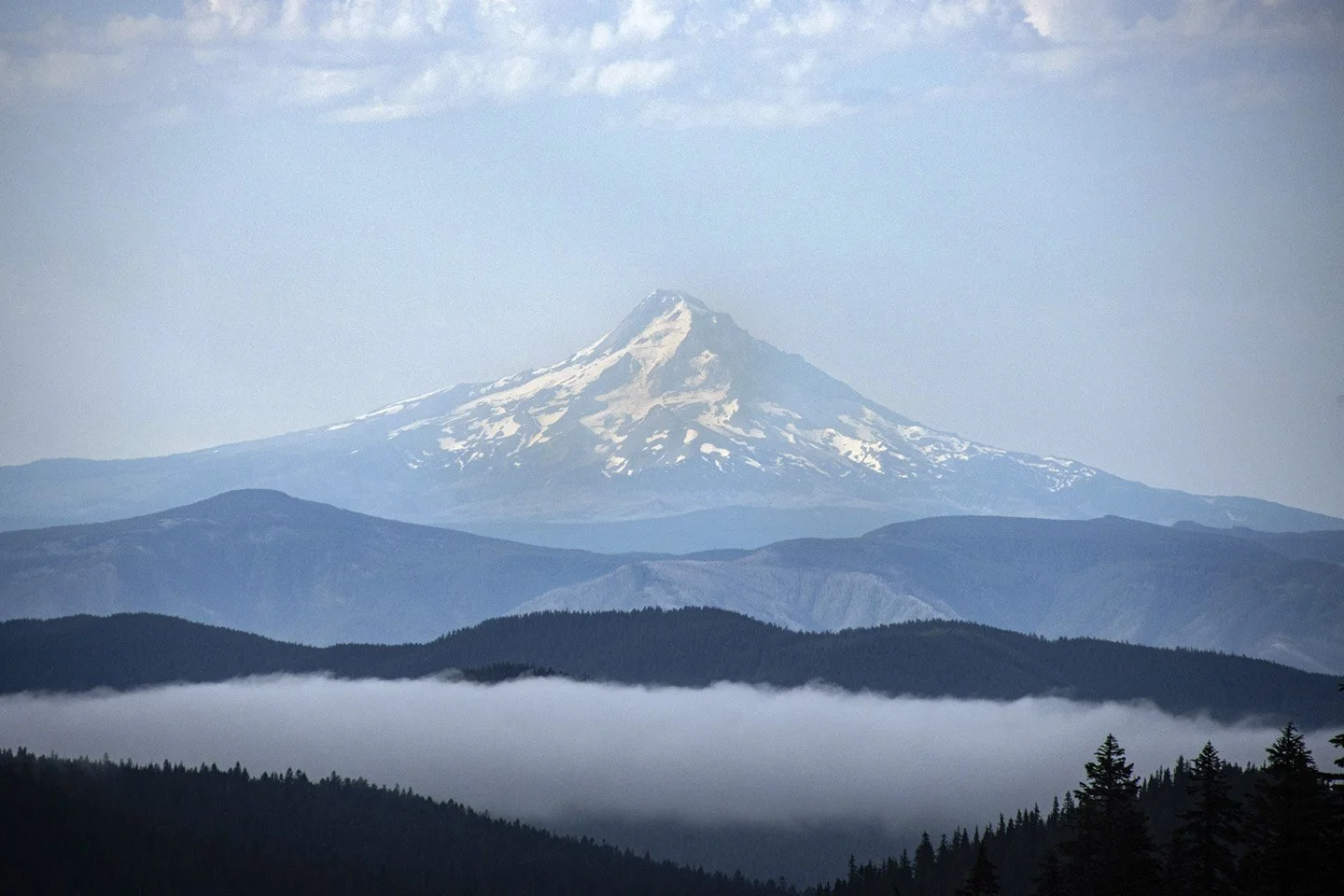
Photo by Caleb Jack on Unsplash
Join us as we continue the Fire and Ice adventure in the Pacific Northwest in this part two of our two-part mini-series, we leave the glacier-covered volcanoes of Washington behind and cross into Oregon to explore some of the most spectacular volcanic landscapes in the region. If you missed part one, we highly recommend going back and listening to episode 188, as we explored Washington’s iconic peaks. That episode set the stage for this next leg of the journey as we continue traveling south along the Cascade Range.
In this episode, we dive into Oregon’s dramatic volcanic terrain, starting with the towering presence of Mount Hood, the state’s tallest peak and one of the most recognizable mountains in the Pacific Northwest. From there, we explore the fascinating lava fields, calderas, and rugged backcountry of Newberry Volcano, a massive volcanic complex that offers incredible hiking, and interesting geological features.
Our journey culminates at one of America’s most breathtaking national parks: Crater Lake National Park. Formed by the collapse of an ancient volcano thousands of years ago, Crater Lake is famous for its deep sapphire-blue water and dramatic cliffs.
Along the way we share RV travel tips, hiking trails, and the campgrounds to make for your basecamp all to help you plan your own Pacific Northwest road trip. RVers, campers, hikers, and road-trip enthusiasts alike will find plenty of inspiration in this episode for planning their next adventure through Oregon’s incredible Fire and Ice landscape.
SHOW NOTES
In this episode, we continue the Fire and Ice mini-series by heading south into Oregon to explore some of the most spectacular volcanoes in the Pacific Northwest. This RV travel adventure takes us through the dramatic landscapes of the Cascade Range—from the glacier-covered slopes of Mount Hood, across the lava fields of Newberry Volcano, and finally to the deep blue caldera of Crater Lake National Park.
Along the way we highlight the best hikes, RV campgrounds, and must-see stops so you can plan your own Pacific Northwest road trip.
If you missed part one of the series, go back and listen to Episode 188, where we explored Washington’s legendary volcanoes including Mount Baker and Mount St. Helens.
Destinations Featured:
Mount Hood
Rising to 11,249 feet, Mount Hood is Oregon’s tallest peak and one of the most iconic mountains in the Pacific Northwest. Its glaciers, alpine meadows, and reflective lakes make it a bucket-list destination for hikers, photographers, and RV travelers.
Learn more:https://www.fs.usda.gov/mthood
Best Hikes at Mount Hood
Mirror Lake Trail
Easy hike with one of the most famous reflections of Mount Hood.
Trail info: https://www.fs.usda.gov/recarea/mthood/recarea/?recid=52778
• Distance: 3 miles round trip• Elevation gain: ~200 ft• Time: 1–1.5 hours
Timberline Trail
A legendary loop circling the entire mountain.
Trail info:https://www.fs.usda.gov/recarea/mthood/recarea/?recid=52770
• Distance: 41 miles• Elevation gain: 9,000+ ft• Time: 5–10 days for the full loop
Tamanawas Falls Trail
Trail info:https://www.fs.usda.gov/recarea/mthood/recarea/?recid=52774
• Distance: 3.4 miles round trip• Elevation gain: ~800 ft• Time: 1.5–2 hours
RV Camping Near Mount Hood
Trillium Lake Campground
https://www.fs.usda.gov/recarea/mthood/recarea/?recid=52776
• Forest Service campground• No hookups• Iconic Mount Hood lake views• Fishing, kayaking, hiking
Lost Lake Campground
https://www.lostlakeresort.org/campground
• RV friendly sites• Vault toilets and water• Quiet forest setting• Paddle sports and hiking nearby
Mount Hood Village RV Resort
• Full hookups• Wi-Fi, laundry, showers• Close to Timberline Lodge and trailheads
Newberry Volcano
Located in Central Oregon, Newberry Volcano is one of the largest volcanoes in the United States, covering over 1,200 square miles. Unlike the classic cone shape of Mount Hood, Newberry is a massive shield volcano with lava flows, cinder cones, obsidian fields, and crater lakes.
Learn more:https://www.fs.usda.gov/recarea/deschutes/recarea/?recid=66159
Best Hikes at Newberry Volcano
Lava Butte Trail
https://www.fs.usda.gov/recarea/deschutes/recarea/?recid=38282
• Distance: 1.5 miles round trip
• Elevation gain: ~200 ft
• Time: 45–60 minutes
• Views of lava fields and Cascade peaks
Paulina Peak Trail
https://www.fs.usda.gov/recarea/deschutes/recarea/?recid=38314
• Distance: 1.5 miles round trip• Elevation gain: ~400 ft
• Time: 45–60 minutes
• Views of Paulina and East Lakes
Big Obsidian Flow Trail
https://www.fs.usda.gov/recarea/deschutes/recarea/?recid=38334
• Distance: 1.6 mile loop
• Elevation gain: minimal
• Time: ~1 hour
• Walk across a lava flow just 1,300 years old
RV Camping Near Newberry Volcano
Paulina Lake Campground
https://www.fs.usda.gov/recarea/deschutes/recarea/?recid=38322
• 64 sites
• No hookups
• Lake access
• Hiking and fishing nearby
East Lake Campground
https://www.fs.usda.gov/recarea/deschutes/recarea/?recid=38335
• Forest setting
• Vault toilets and potable water
• Ideal for kayaking and fishing
Crown Villa RV Resort (Bend)
• Full hookups
• Wi-Fi and laundry
• Close to Bend restaurants and breweries
Crater Lake National Park
The grand finale of the Fire and Ice journey is Crater Lake National Park, home to the deepest lake in the United States at 1,949 feet.
The lake formed nearly 8,000 years ago when Mount Mazama collapsed after a massive eruption, creating the dramatic caldera we see today.
Official park site:https://www.nps.gov/crla
Best Hikes at Crater Lake
Cleetwood Cove Trail
https://www.nps.gov/crla/planyourvisit/cleetwood-cove-trail.htm
• Distance: 2.2 miles round trip
• Elevation change: ~700 ft
• Time: 1.5–2 hours
• Only trail that reaches the lake shore
Garfield Peak Trail
https://www.nps.gov/crla/planyourvisit/garfield-peak-trail.htm
• Distance: 3.4 miles round trip
• Elevation gain: ~1,000 ft
• Time: 2–3 hours
• Panoramic views of Wizard Island
Watchman Peak Trail
https://www.nps.gov/crla/planyourvisit/watchman-peak-trail.htm
• Distance: 1.6 miles round trip
• Elevation gain: ~400 ft
• Time: 1–1.5 hours
RV Camping Near Crater Lake
Mazama Campground
https://www.nps.gov/crla/planyourvisit/camping.htm
• 200+ campsites
• No hookups
• Forested setting inside the park
Diamond Lake RV Park
https://diamondlake.net/lodging/diamond-lake-rv-park/
• Full hookups
• Wi-Fi and laundry
• Fishing, boating, and easy access to Crater Lake
Best Time for a Fire and Ice RV Road Trip
The ideal window to explore the Cascade Volcanoes is:
Late June – September
During this time:
• High elevation roads are open
• Trails are mostly snow free
• Wildflowers are blooming
• Campgrounds and visitor centers are fully operational
This makes it the perfect season for exploring volcanoes like Mount Hood, Newberry Volcano, and Crater Lake.
Plan Your Own Pacific Northwest Fire and Ice Road Trip
This two-part series explores the Cascade Volcanic Arc, a region shaped by powerful eruptions and ancient glaciers. From towering peaks and lava fields to deep calderas and alpine lakes, the Pacific Northwest offers one of the most dramatic volcanic landscapes in North America.
Whether you're traveling by RV, camper van, or road-trip vehicle, this route delivers unforgettable hiking, scenic drives, and campgrounds across Washington and Oregon.
Hook up your rig, pack your hiking boots, and experience the Fire and Ice landscapes of the Pacific Northwest for yourself.
Join the RV Out West Newsletter
I’m dropping something special in the next newsletter first, and if you want to see it before anyone else you’ll want to be on the list.
Sign up here: https://rvoutwest.com/newsletter
It takes less than a minute and you won’t want to miss what’s coming next.
Stay Connected With The Show
Follow the Journey on Social Media:
Podcast Episode Transcript:
Fire and Ice: Exploring Oregon’s Volcanoes (Part Two)
TEASER
Part two of Fire and Ice is here! Join us as we explore Oregon’s towering volcanoes, epic hikes, and RV adventures.
OPENING
As the sun rises over the Cascade Range, we pick up our Fire and Ice journey right where we left off—leaving the towering glaciers and wildflower-strewn slopes of Washington behind. Today, we find ourselves crossing the state line into Oregon, where new volcanic giants await. This is part two of our two-part mini-series, a continuation of the Pacific Northwest adventure we began last week, and the excitement is palpable as each mile brings fresh landscapes and stories into view.
If you missed last week’s episode where we kicked off the Fire and Ice mini-series, now’s the perfect time to catch up! We explored the iconic volcanoes of Washington State, from Mount Baker to Mount St. Helens, covering epic hikes, scenic drives, and RV camping spots. Go back and give that episode a listen so you’re ready for the Oregon leg of our adventure!
Oregon’s volcanic landscape is every bit as dramatic as its northern neighbors. From the near-perfect cone of Mount Hood, which catches the first rays of morning light, to the rugged wilderness of Newberry Volcano, and the deep, sapphire-blue basin of Crater Lake National Park, the state offers a captivating mix of fire-shaped peaks and ice-kissed ridges. Each volcano carries its own story—from eruptions that reshaped valleys to glaciers that quietly carve their way down slopes—making every stop along the Fire and Ice route a living classroom in geology, ecology, and adventure.
Oregon is a playground of contrasts.
You’ll find alpine meadows dotted with wildflowers, dense forests with winding rivers, and lakes so still they perfectly mirror the mountains above. These landscapes aren’t just visually stunning—they’re a call to explore, hike, and camp under starlit skies. Today, we’ll set the stage for each volcanic giant in Oregon, offering a high-level view of the destinations, the trails you will want to hike, the best places to camp and the experiences that make this next leg of the journey an unmissable chapter of Fire and Ice.
Imagine rounding a bend on a quiet Oregon highway, the pines thinning, the air turning crisp, when suddenly there she is—Mount Hood, rising like a sentinel over the Willamette Valley. Snow-capped and majestic, her symmetrical cone catches the early morning light, glaciers glinting like scattered diamonds on her slopes. As you draw closer, the forested foothills give way to meadows dotted with wildflowers, and streams rushing from icy runoff wind past your path. Hood isn’t just a mountain—it’s a character in the landscape, both commanding and inviting, the kind of peak that makes even seasoned travelers pause to just stare.
Mount Hood rises to an impressive 11,249 feet above sea level, making it the tallest peak in Oregon and the fourth-highest in the Cascade Range. This iconic stratovolcano is actually considered potentially active, with its last major eruption occurring in the 1790s, though minor activity has continued since then. Its snow-capped summit feeds more than a dozen glaciers, including the famous Eliot and Coe Glaciers, which slowly carve their way down the mountain’s flanks. Mount Hood isn’t just a natural wonder—it has also played a role in American film history, standing in for the Swiss Alps in movies like The Sound of Music and appearing in countless outdoor adventure films and TV shows. From its picturesque reflection in Mirror Lake to its challenging climbs and scenic ski resorts, Hood offers a dramatic mix of beauty, adventure, and history that draws travelers and outdoor enthusiasts from across the globe.
After taking in the towering presence of Mount Hood, it’s time to lace up your hiking boots and explore the trails that bring you closer to the mountain’s magic. From peaceful lakes reflecting its snowy peak to rushing waterfalls and winding alpine loops, the hikes around Hood offer something for every adventurer, letting you experience the mountain up close.
Hiking around Mount Hood offers a range of experiences, from short, family-friendly walks to longer alpine adventures. The Mirror Lake Trail is a must-do for anyone visiting the mountain, especially for photographers chasing that iconic reflection of Hood in the lake’s still waters. This easy out-and-back trail covers 3 miles round trip, with minimal elevation gain of about 200 feet, making it accessible for most hikers. Expect to spend roughly 1 to 1.5 hours completing the loop, though many visitors linger to soak in the scenery and capture photos of the mountain mirrored perfectly on the lake’s surface. In spring and early summer, wildflowers add a colorful foreground to this classic Cascade vista.
For those seeking a longer adventure, the Timberline Trail circles the entire mountain, spanning approximately 41 miles with a total elevation gain of over 9,000 feet. Most hikers choose to tackle sections of the trail rather than the full loop, which can take 5–10 days to complete in its entirety. Along the way, you’ll pass glacial streams, rugged ridges, and alpine meadows, experiencing Mount Hood from multiple perspectives as the landscape changes with each mile. A shorter, moderately challenging option is the Tamanawas Falls Trail, an 3.4-mile round trip hike with about 800 feet of elevation gain, typically completed in 1.5–2 hours. The trail winds through lush old-growth forest to the stunning 100-foot waterfall, where mist rises from the cascade, making it a perfect spot to pause, enjoy nature, and cool off on a summer hike. Each of these trails showcases different aspects of Mount Hood’s beauty, offering options for hikers of all skill levels.
After a day spent exploring Mount Hood’s trails and taking in its stunning vistas, it’s time to find the perfect spot to rest your wheels. Luckily, the area offers a variety of RV-friendly campgrounds, from rustic forest sites to full-service parks, providing the ideal basecamp for your next adventure on the slopes and trails of this iconic peak.
Camping around Mount Hood gives RV travelers plenty of options, whether you’re looking for a peaceful forest setting or full-service amenities. Trillium Lake Campground, located on the southwestern flank of Mount Hood, is a popular spot for its stunning lake views and iconic reflections of the mountain. This U.S. Forest Service campground offers sites that accommodate RVs, but they are first-come, first-served with no full hookups. Amenities include vault toilets, fire rings, picnic tables, and easy access to hiking trails and the lake for fishing, kayaking, or paddleboarding. It’s a perfect choice for RVers seeking a rustic experience surrounded by nature.
Just a few miles north, Lost Lake Campground sits in a serene forested area near the northwest side of Mount Hood. Like Trillium Lake, the campground does not offer full hookups, but it provides water access, vault toilets, picnic tables, and fire pits. Lost Lake is especially popular for its quiet environment, opportunities for paddle sports, and short hiking loops that circle the lake or connect to nearby forest trails. It’s a peaceful retreat for RVers who want to immerse themselves in the wilderness without sacrificing accessibility.
For those looking for more comfort and convenience, Mount Hood Village RV Resort offers a full-service experience with full hookups including water, sewer, and 30/50-amp electrical service. Additional amenities include Wi-Fi, clean restrooms and showers, laundry facilities, and a small convenience store. Located just a short drive from Timberline Lodge and the mountain’s primary trailheads, it provides the perfect basecamp for exploring Mount Hood while still enjoying the modern comforts of home on the road. Whether you prefer a rustic lakeside spot or a fully equipped RV resort, the Mount Hood area has options to suit every traveler’s style.
Leaving the snow-capped slopes and alpine forests of Mount Hood behind, the highway begins to wind south and east, taking us into the high desert of central Oregon. The landscape slowly shifts from towering evergreens and rushing rivers to wide sagebrush plains and lava fields that whisper of ancient eruptions. In the distance, a broad, flat-topped silhouette emerges on the horizon—that’s Newberry Volcano, a giant unlike any other in the Pacific Northwest. Unlike the steep, classic cones of the Cascades, Newberry spreads across the high desert like a sleeping dragon, its craters, lava flows, and volcanic lakes telling stories of fire that once reshaped this land. As we approach, you can’t help but feel the contrast: from icy peaks to sunbaked volcanic plains, the Fire and Ice journey continues, offering yet another chapter in this epic RV adventure.
As you arrive at Newberry Volcano, the first thing you notice is its sheer size—spanning over 1,200 square miles, it’s one of the largest volcanoes in the United States. Unlike the jagged peaks of the Cascades, Newberry rises gently, a sprawling shield of dark lava flows and volcanic cinders stretching across the high desert. From the summit, your eyes can sweep over the twin Paulina and East Lakes, shimmering like gems nestled in the crater, while the surrounding lava fields, cinder cones, and pine-studded plateaus tell the story of eruptions that shaped this land over thousands of years. Hiking along the rim, you’ll feel both the vastness of the volcano and the intimacy of hidden craters, geothermal vents, and volcanic rock formations, making Newberry a place where geology, adventure, and breathtaking scenery collide in one unforgettable visit.
Newberry Volcano rises to 7,989 feet above sea level and stands out as one of the largest volcanoes in North America. Unlike the steep, layered stratovolcanoes of the Cascades, Newberry is a shield volcano, with broad, gently sloping flanks formed by low-viscosity lava flows that spread across the high desert. These types of volcanoes generally produce flowing lava rather than explosive eruptions, creating wide, expansive landscapes. Newberry’s vast volcanic terrain includes over 400 square miles of lava flows, cinder cones, and crater rims, along with unique features such as lava tubes and caves, plus the stunning Paulina and East Lakes nestled in the caldera. Visitors can explore these dramatic and varied landscapes, from hiking through hardened lava fields to paddling across tranquil crater lakes, making Newberry a truly distinctive destination in Oregon’s volcanic region.
Once you’ve taken in the sweeping views of Newberry’s volcanic landscape and marveled at its lava flows and crater lakes, the next step is to hit the trails. From easy strolls along reflective lakeshores to longer treks through lava fields and forested slopes, Newberry offers hiking experiences that let you explore its unique geology up close.
Hiking around Newberry Volcano offers a fascinating blend of geological wonders and Oregon high desert scenery. The Lava Butte Trail is a moderate 1.5-mile out-and-back hike with roughly 200 feet of elevation gain, typically taking 45–60 minutes to complete. This trail climbs to the top of the Lava Butte cinder cone, offering sweeping views of the surrounding lava fields, forests, and even the Cascade Range in the distance. It’s a great introduction to the volcanic features of the region and perfect for photographers and families looking for a shorter adventure.
For more panoramic vistas, the Paulina Peak Trail provides an unforgettable hike to the highest point in Newberry Volcano at 7,985 feet. The 1.5-mile round-trip trail gains about 400 feet in elevation and can be completed in 45–60 minutes. From the summit, hikers are treated to sweeping views of the Paulina and East Lakes caldera, the high desert landscape, and on clear days, distant Cascade peaks. Those seeking something a bit longer and geologically immersive should try the Big Obsidian Flow Trail, a 1.6-mile loop with minimal elevation gain that takes roughly 45 minutes to 1 hour. Walking across the jagged obsidian fields formed by a lava flow just 1,300 years ago offers a tactile and visual experience unlike anywhere else, giving hikers a close-up look at volcanic glass and the raw power of Newberry’s eruptions.
After exploring the dramatic lava fields and sweeping caldera views of Newberry Volcano, it’s time to think about where you’ll rest your rig for the night. The area offers several excellent RV camping options, from forested sites near the lakes to full-service parks, giving you the perfect base to relax, refuel, and continue your volcanic adventure.
When it comes to RV camping near Newberry Volcano, Paulina Lake Campground is a fantastic choice for those who want to immerse themselves in nature. Located within the Newberry National Volcanic Monument, this campground offers 64 sites suitable for RVs, though it does not provide full hookups. Amenities include picnic tables, fire rings, vault toilets, and access to potable water. Its prime location on the shores of Paulina Lake gives visitors stunning sunrise views over the water and easy access to nearby hiking trails, boat launches, and fishing spots. It’s perfect if you’re looking for a quieter, more natural experience while exploring the Newberry area.
For RVers seeking a bit more comfort, Crown Villa RV Resort in Bend offers full-service amenities with water, sewer, and 30/50-amp electrical hookups. This privately operated park also includes clean restrooms and showers, Wi-Fi, a laundry facility, and easy access to local shops and restaurants, making it ideal for those who want a mix of adventure and convenience. East Lake Campground, slightly more rustic, provides a peaceful forested setting with vault toilets, picnic tables, fire rings, and potable water, but no full hookups. Its location near East Lake is ideal for kayaking, fishing, and enjoying the serene lake views. Together, these campgrounds give RV travelers the flexibility to choose between immersive nature stays and fully equipped resorts while exploring the volcanic landscapes of central Oregon.
Leaving the wide lava flows, obsidian fields, and serene lakes of Newberry behind, the road begins to wind southward through Central Oregon’s high desert and pine forests. As you round each bend, the landscape shifts, growing greener and steeper, until suddenly the massive, deep blue caldera of Crater Lake comes into view. Unlike the sprawling shield of Newberry, Crater Lake is the remnant of a violent eruption, a collapsed volcano that now holds the deepest lake in the United States. The air feels cooler here, fresher, carrying the scent of pines and the faint whisper of history, and you realize this stop will be a very different kind of volcanic adventure—one of dramatic cliffs, shimmering waters, and a story written in fire, ice, and time.
Crater Lake National Park is the grand finale of our Fire and Ice journey through the Pacific Northwest, a place where volcanic history and natural beauty collide in dramatic fashion. Before the collapse of Mount Mazama nearly 8,000 years ago, the volcano is estimated to have stood around 12,000 feet tall. When it erupted and the summit collapsed, it left behind the massive caldera that eventually filled with water to become Crater Lake, now 1,949 feet deep with water so clear and intensely blue it feels almost otherworldly. So, in a way, the lake occupies the heart of a volcano that once towered thousands of feet above the surrounding landscape—truly the grand finale of Oregon’s volcanic story.
The eruption that created Crater Lake reshaped the surrounding landscape, leaving behind steep cliffs, volcanic rock formations, and a basin that collects snowmelt and rain to maintain its stunning clarity. Today, visitors can explore the park’s rim, hike trails that wind past ancient lava flows, and witness the raw power and serene beauty of a volcano frozen in time, making it the perfect conclusion to the Fire and Ice mini-series.
Exploring Crater Lake National Park on foot is an unforgettable way to experience its dramatic beauty. Hiking through the park offers sweeping views of the deep blue caldera, the rugged rim, and surrounding forests, allowing you to fully immerse yourself in the scale, colors, and serene power of this volcanic masterpiece.
One popular route is the Cleetwood Cove Trail, which descends to the lake’s shore. This 1.1-mile out-and-back trail has an elevation change of about 700 feet, typically taking 45–60 minutes each way. Along the way, hikers are treated to striking views of the lake’s deep blue waters, volcanic rock formations, and, for those adventurous enough, a chance to dip a toe in the frigid caldera waters.
For those looking for a longer trek, the Garfield Peak Trail is a rewarding challenge. This 3.4-mile out-and-back hike gains roughly 1,000 feet in elevation and usually takes 2–3 hours to complete. From the summit, hikers are rewarded with panoramic views of Crater Lake, Wizard Island, and the surrounding Cascade peaks. For a moderate option, the Watchman Peak Trail spans 1.6 miles round-trip with an elevation gain of about 400 feet, taking roughly 1–1.5 hours to complete. Each of these hikes provides a unique perspective of the park’s volcanic history, and a chance to fully immerse yourself in one of the Pacific Northwest’s most iconic natural wonders.
After a day spent exploring the caldera and hiking the trails around Crater Lake, you’ll want to find a comfortable spot to park your rig and recharge. Fortunately, the area offers several RV-friendly campgrounds and resorts, each with its own mix of amenities, from rustic forested sites to full-hookup spots with modern conveniences. Here are a few good options to make your stay as memorable as the views.
When it comes to RV camping near Crater Lake National Park, Mazama Campground is a classic choice for those who want to stay close to the park’s stunning vistas. This Forest Service campground offers more than 200 sites suitable for tents and smaller RVs, and while it provides vault toilets, picnic tables, and fire rings, it does not offer full hookups. The campground is nestled among towering pines, giving travelers a serene forest setting just a short drive from the lake’s rim. It’s ideal for self-contained RVs that don’t require electrical, water, or sewer connections, and its proximity to the park’s visitor center makes it convenient for early morning hikes and scenic drives.
For those looking for a bit more comfort, Diamond Lake RV Park is a privately operated campground located about 20 miles south of Crater Lake. This park offers full hookups with water, sewer, and 30/50-amp electrical service, along with Wi-Fi, clean restrooms, and laundry facilities. The park is family-friendly and provides easy access to nearby trails, fishing spots, and boating opportunities on Diamond Lake itself. Its location near the park entrance offers quick access to viewpoints and hiking trails, making it a convenient and comfortable basecamp for exploring the grand finale of your Fire and Ice journey.
As our Fire and Ice journey winds to a close, the Cascade peaks of Washington and Oregon stand behind us like silent sentinels, each telling a story written in fire and carved by ice. From the towering glaciers of Mount Baker and Rainier to the rugged solitude of Adams, the scoured slopes of St. Helens, and the expansive lava flows of Newberry, we’ve witnessed the raw power and quiet majesty that shaped this land. Every switchback, every alpine meadow, every reflective lake along the way has been a front-row seat to the artistry of nature, a reminder that these mountains are alive, ever-changing, and waiting for those willing to explore them on their own terms.
Rolling down the highway in your RV, with the wind whispering through the trees and peaks fading in the distance, you carry with you more than memories—you carry inspiration. The fire that built these mountains and the ice that crowns them has left a legacy of adventure, beauty, and awe that can only be truly understood by being there. So hook up your rig, pack your curiosity, and let the Cascades call to you. The Pacific Northwest is more than a destination—it’s an invitation to feel the pulse of the earth, to chase horizons, and to discover a story written in stone, snow, and lava that is uniquely yours.
The best time to embark on a Fire and Ice RV tour through the Pacific Northwest is from late June through September. During these months, high-elevation roads are fully plowed and accessible, visitor centers are open, and trails are clear of snow, allowing for safe and enjoyable hiking. This window also coincides with warmer temperatures, longer daylight hours, and peak wildflower blooms in the alpine meadows, offering the most scenic and comfortable conditions for exploring volcanoes like Mount Baker, Rainier, Hood, and Newberry. By traveling in this period, you can take full advantage of both the natural beauty and the amenities available at campgrounds, ensuring a smoother, more immersive adventure.
As we wrap up this Fire and Ice mini-series, we hope you’ve felt the power and beauty of the Pacific Northwest in every mile of this journey. Traveling through the Cascade Volcanic Arc, you’ve witnessed landscapes forged by molten lava and shaped by glaciers, each volcano telling its own dramatic story—from explosive eruptions to rivers and valleys carved over millennia.
This isn’t just a road trip; it’s an immersion into a land where fire and ice coexist, where every peak, lake, and meadow has a story to tell. Whether you’ve hiked the alpine trails, paused at glacier-fed viewpoints, or camped under the towering shadows of these giants, the Cascades leave an imprint on both the landscape and your imagination. Now it’s your turn—hook up your RV, hit the highways, and experience firsthand the awe-inspiring interplay of fire and ice that defines the Pacific Northwest.
CLOSING
If this episode sparked something in you, share it with a friend or family member who needs a little mountain inspiration in their life. And if you found value in today’s show, would you take a quick moment to leave a rating or review? You can do it right from the link in this episode’s description. It only takes a minute of your time, and it truly means the world to me. Who knows, maybe I'll share it in a future episode.
Next Monday on the show, we’re chatting with Jennifer of Learn to RV. She’ll share her adventures traveling through the Pacific Northwest, how she got started with Learn to RV, and her experience running RV Roofing Solutions. We’ll also dive into everything RV roofs—this episode is packed with tips and insights you won’t want to miss. Join us next week.