Hiking the PNW with Craig Romano
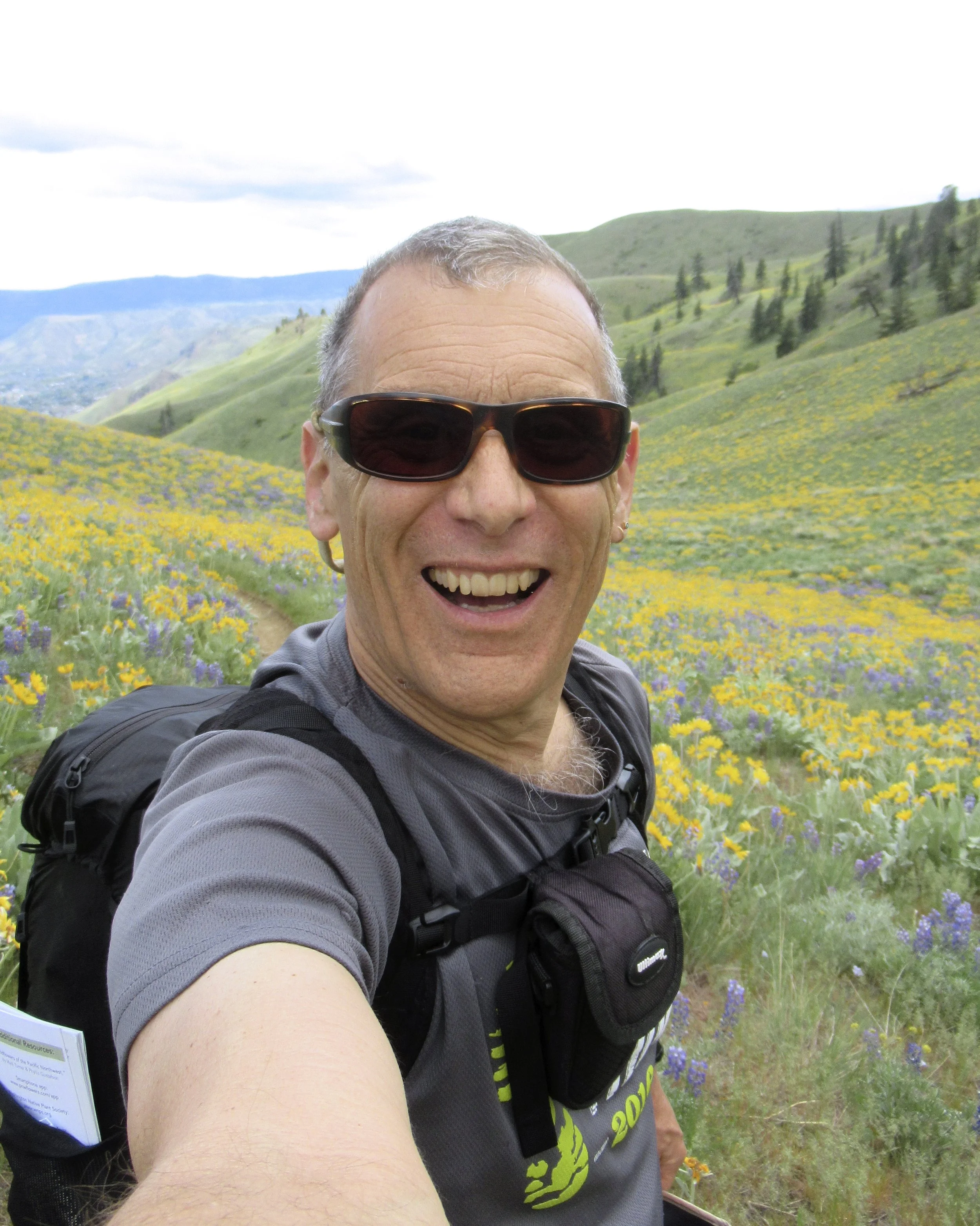
What turns a simple walk in the woods into a lifelong obsession with the trail? In this episode, we sit down with Craig Romano, one of the most trusted voices in Pacific Northwest hiking, to uncover the stories, miles, and moments that have shaped his journey.
From hidden alpine lakes to rugged coastal paths, Craig shares how he got started exploring Washington’s vast trail systems and what continues to inspire him to keep going. We dive into the best hiking trails in Washington State, tips for discovering lesser-known routes, and how to safely plan your next outdoor adventure. Whether you’re new to hiking or a seasoned trail runner, there’s something here for anyone looking to get outside and explore more.
If you’re traveling by RV, this episode is packed with practical advice on combining RV travel and hiking, including how to find trailheads near campgrounds, plan multi-day outdoor trips, and make the most of your time in the Pacific Northwest. Craig also shares insights from his guidebooks and experience as a podcaster, offering a deeper look into the region’s hiking culture.
This conversation is all about adventure, exploration, and reconnecting with the outdoors. If you’re searching for hiking inspiration, Washington hiking guides, RV travel tips, or Pacific Northwest outdoor adventures, this episode delivers.
Hit play and get ready to discover your next favorite trail.
SHOW NOTES
About This Episode
This episode is for hikers, RV travelers, trail runners, and outdoor explorers looking for inspiration and practical advice for experiencing the Pacific Northwest. Whether you're planning your next Washington hiking trip or combining RV camping with outdoor adventure, this conversation delivers insight, storytelling, and real-world trail knowledge.
Episode Highlights
RV Travel Meets Hiking Adventure
Discover how RV life and hiking pair perfectly together in the Pacific Northwest. From waking up at a trailhead to exploring remote wilderness areas, this episode highlights how to combine road travel with outdoor exploration.
Learn more about RV camping in Washington State:
https://www.visitrainier.com/rv-camping/
https://www.nps.gov/olym/planyourvisit/camping.htm
Hiking Washington State & the Pacific Northwest
Craig Romano shares insights from decades of exploring Washington’s trail systems, including alpine lakes, coastal hikes, and lesser-known wilderness routes.
Explore hiking resources:
Washington Trails Association:https://www.wta.org/
U.S. Forest Service Washington Trails: https://www.fs.usda.gov/visit/washington
Olympic National Park Trails: https://www.nps.gov/olym/planyourvisit/hiking.htm
Guidebooks, Trail Research & Planning
Craig discusses how he researches and documents trails for his guidebooks, including mapping, field notes, and on-the-ground verification of trail conditions.
Find hiking guidebooks and resources:
https://www.mountaineersbooks.org/
Trail Safety, Preparation & Outdoor Ethics
Learn how to safely prepare for hikes in the Pacific Northwest, including gear essentials, weather awareness, and avoiding common beginner mistakes on the trail.
Outdoor safety resources:
https://www.rei.com/learn/expert-advice
https://www.nps.gov/articles/hiking-safety.htm
https://www.fs.usda.gov/visit/know-before-you-go
Hidden Gems & Underrated Trails
Craig highlights overlooked hiking areas across Washington, including remote wilderness regions and less-traveled trails that offer solitude and discovery.
Explore lesser-known destinations:
https://www.wta.org/go-outside/hikes
Where you can find Craig Romano
Official Website: https://craigromano.com/
Books (Author Pages & Retail Links)
Social Media
Podcast
The Washington State Hiking Podcast
Trail & Outdoor Resources He Contributes To: Washington Trails Association
Listen & Subscribe to RV Out West
Don’t forget to subscribe to RV Out West for more episodes about RV travel, hiking destinations, and outdoor adventure across the western United States.
👉 Sign up via the link in this episode description or visithttps://rvoutwest.com/newsletter
Follow the Journey on Social Media:
Podcast Episode Transcript:
Hiking the PNW with Craig Romano
00:00:00 Brooks, Host: What drives someone like Craig Romano to spend a lifetime chasing trails across the Pacific Northwest? Well, he's going to tell us. Welcome to RV out West. I'm Brooks, based in the Pacific Northwest. My family of four hits the road to explore the best of RV life out west. From hidden gems and epic destinations to helpful tips and real road stories. So grab your coffee and join the journey. The tires crunch to a stop, the engine ticks as it cools and just beyond the windshield, the trailhead waits like an open invitation. This is where RV travel really can come alive. You're not just passing through places, you're stepping directly into them. One minute you're brewing coffee in your own kitchen, the next you're lacing up your boots and heading into towering forests, alpine lakes or coastal bluffs. Hiking and diving go hand in hand because they give you both freedom and access, the ability to chase the kind of moments you can't plan for. Only stumble into somewhere between the road and the trail. For me, it's been a while since I've done much hiking. It's been a bit of a struggle as I need to work through some anxiety. You see, I'm on an insulin pump and I don't want to be in the backcountry too long. If I have a hypoglycemic low out there. There's a possibility that I could be in some serious danger. Look, I carry a ton of sugar with me, and the insulin pump does alert me if I'm trending into that territory. So I'm always prepared. But still, that thought is very real and somewhat scary for me, even though I am prepared. With that said, I am hoping to reintroduce myself back to the trails. I will be starting slow, easy distances and rebuilding my confidence with each step. That's why I am genuinely excited to be bringing Craig Romano onto the show. If you spent any time exploring trails in the Pacific Northwest, chances are you've crossed paths with his work as an author, podcaster, trail runner, and dedicated hiker. Craig has a way of connecting people to the outdoors that feels both inspiring and approachable. Having him join us is going to be a great opportunity to dig into the stories behind the trails, discover new places to explore and hear firsthand what keeps him chasing the miles out there. Craig. Thank you so much for joining us here on RV out West.
00:02:35 Craig Romano, Guest: Yeah, thanks for having me on your on your on your podcast, Brooks .
00:02:39 Brooks, Host: You've written extensively about hiking in the Pacific Northwest. What initially pulled you into the trail?
00:02:45 Craig Romano, Guest: Well, that's a tough question. Um, I have been a writer since I was a teenager. I had my own column in my hometown newspaper. I initially started as a cyclist and then got into hiking and just love the outdoors. Love writing. Kind of pulled it together. Did a lot of freelancing, and then things kind of came together for me about twenty five years ago. I started working with Mountaineers Books and that just really grew into my publishing empire, if you will.
00:03:11 Brooks, Host: Are you, uh, born and raised Washingtonian?
00:03:14 Craig Romano, Guest: No, I'm a native New Englander, actually, so don't hold that against me. I'm a Patriots fan.
00:03:19 Brooks, Host: But we will not talk about Tom Brady then. We're just going to take that off the table altogether.
00:03:24 Craig Romano, Guest: Gotti Seahawks got their retribution in this last one. So yeah. Okay so the redemption. No. Yeah I was I so lived most of my life my younger years in New Hampshire. And that's where I got my love for the outdoors and just ended up out in the northwest. It was never intended on coming out here to stay permanently. Uh, and I ended up going to the University of Washington, and then my career as an outdoor writer really took off out here. And yeah, that's the short version.
00:03:52 Brooks, Host: Wow. So you came out to go to school? To university?
00:03:55 Craig Romano, Guest: No, actually I didn't.
00:03:57 Brooks, Host: You were already here for that?
00:03:58 Craig Romano, Guest: No, I was going through a really difficult life change, and I came out to spend a summer with my buddy who I had bicycled across America with years ago. Uh, he was going he was at the University of Washington, and I was just going to stay out here, get my head straight, and then go back to New Hampshire. And then as things turned out, uh, there was a recession back in the northeast at the time. And it's like, okay, I'll just stay here, work for a little while. Ended up going back to college later in my life. I, I went to UW in my thirties. You never know how life's going to lead you and.
00:04:29 Brooks, Host: Know you've.
00:04:30 Craig Romano, Guest: Been an interesting journey.
00:04:31 Brooks, Host: Yeah. I spent a decade away from the Pacific Northwest, and I never intended for it to be a decade. It was, uh, I was twenty five and I moved to the Caribbean and I was like, wow, I'm gonna go have this chapter in my life and go live in the Caribbean. And that chapter of two years was then from here to there to here to there and bouncing all around. And next thing I know, I I blink and it's been like a decade and I'm like, wow. It's wild how that kind of happened.
00:04:56 Craig Romano, Guest: That's, you know, when you just, you know, it's interesting. So many younger people, particularly, I think they have their whole life planned out. They're going to do this by this and this. But I'll tell you, it doesn't work that way. And it's actually better than it doesn't work that way. Yes. Be open to things. And that's been the story in my life. You know, I was a tour guide in Europe. It was something I never planned on doing. That kind of fell fell into my hands. And just being open to experiences and ideas and let life guide you along. And I'll tell you, it's it's been an incredible journey.
00:05:23 Brooks, Host: Well, you know, talking about guiding, how was it that you specifically got into writing hiking guide books? Like when was that epiphany moment for you where you're like, okay, I'm gonna write a book about, you know, whatever, hiking in the North Cascades or whatever.
00:05:37 Craig Romano, Guest: Yeah, that's a good question. So when I moved out here, I've always enjoyed guidebooks. And so I was reading all the Harvey Manning Irish Spring books, which are Bibles. Anybody who's been in who's lived here for a while and, and in hiking scene knows those names and boy, I would have loved to have to been in their position sometime, somewhere in the nineties. I decided I'm going to pitch my first book. And incidentally, uh, it was an area that spring did not cover. And that's the north eastern Washington, actually northeastern Washington, an area I really love. And my initial proposal was actually rejected because my publisher thought, oh, there's no interest in it. Uh, years later, I ended up writing an Eastern Washington book and it was a great seller, but that's a different story. But, um, yeah, I just ended up, uh, interestingly enough, the, the first book I got pulled into my publisher at the time was familiar with some of my works that I was doing with local magazines and wanted me to Irish Spring, his very last book. He had passed away before completing it. And so I, uh, and Karen Sykes, who wrote a long, long time for the Seattle P-i we were called in to finish it up. And so it was an honor that I actually, in essence, got to work with Irish Spring. Right. And his book, and it was a wildflower guide. And then the Mountaineers started. They really wanted to, um, come up with a whole new series to replace the old hundred hikes series, because Amanda and Spring had not been out on the trails. They were well up there in their age and they wanted a new voice and he representing, uh, just new perspectives and everything. And that's when the whole day hiking series, uh, was launched. And I was brought in on that. Yeah. Things just took off from there. And I have written twenty seven books, uh, at this point in my life, most of them were with the Mountaineers. I've written a book for University of Washington. I never could have imagined that I would have written so many books. So in covering from the Olympics to Eastern Washington.
00:07:33 Brooks, Host: Craig, you've spent a decade plus out there on these trails around the Pacific Northwest.
00:07:38 Craig Romano, Guest: Oh, it's been thirty six years. I've been on the trails here in Washington. I actually had been to Washington three times before, before I moved out here twice was by bicycle. I bicycled across America a couple of times. A guy came out of summer to hike because when you're bicycling, I was missing all the backcountry, right? And then since nineteen eighty nine, yeah, I've been hiking and trail running as much as I can. I've logged over thirty five thousand miles just in Washington, so it does not include all the other places that I spend time in.
00:08:05 Brooks, Host: So okay, so you've logged thirty five thousand miles here in Washington state on various trails. What keeps you going back out there?
00:08:14 Craig Romano, Guest: Yeah, it's just the the discovery. I love to keep moving. Again, I've been an endurance junkie my whole life. You know, I was a long distance cyclist when I was younger. And now I'm an ultra runner. I just I love the challenge of being outside. I love what it does for my mental health. I love discovering new places constantly there. There are so many places, trails, parks, preserves, wilderness, areas. I want to see as many, many as I can before my body says no more and it's time to go. So it's just that a constant sense of discovery. I had it as a child. I always wanted to see what was around the next corner, what was on that next trail. Um. Boredom does not exist in my vocabulary. I can't understand people who are bored. I mean, you've got a whole world out there. Yeah, right in your own backyard. You just start there.
00:09:01 Brooks, Host: It's so true. Well, so how has your relationship with the outdoors changed over time, especially as your work became more widely read?
00:09:10 Craig Romano, Guest: It's a good question. I think, um, in the beginning I was definitely more selfish, I guess, in that, uh, I was just finding these places for myself, wasn't really part of the, of the outdoor community. And certainly as my career evolved and now I'm sharing with other people, it would be hypocritical to, to, to be in more of a, you know, these are my secrets or my places or my life. So basically what's really changed is I live a public life. Now I realize that probably, oh, fifteen years ago, you know, certainly with the advent of social media, when my, my publisher wanted me to get on that and, uh, just. Yeah, living a very, very public life. And, uh, it also makes me, you know, uh, stronger for, for being an advocate for, for public places and protection of areas for trail work. I do a lot of work with, um, the Washington Trails Association, uh, with fundraising, uh, with awareness. Uh, so, uh, kind of, you know, just fallen into the, into the role of ambassador, something I never really thought about as where I wanted to go. And it just kind of dropped into my lap. Uh, so I'm always conscious of that too. Um, the responsibilities of there too. I know a lot of people read my works and, and respect my works and, um, that's, that's a, that's a heavy burden.
00:10:25 Brooks, Host: Is there a trail that you've never talked about in your guidebook that, you know, you're selfishly hoarding to yourself that is available for somebody to go find on WTA dot org or.
00:10:36 Brooks, Host: In one of your books. But is there just one trail that you don't need to tell me? You can just say yes, but you don't need to.
00:10:43 Craig Romano, Guest: Um, you know, that's a good question too. Uh, because I've, I've, I've often struggled with some of these places. Do I really want to put that in there? And what I found is that first of all, the popular trails are popular, so there's nothing I'm going to change there. And most of my favorite trails aren't the popular ones. They're off the beaten path. And in, in many cases, um, I don't mind sharing those because I need those, those trails to have more exposure so that we can keep them open. There are a few areas that I'm less likely to talk about a lot, not because I don't want to share. It's just I don't want bad behavior out there. As far as my, my followers are great, but you know how things, you know, get shared. But if someone were to talk to me and certainly when I'm traveling on the trail, I reveal I share things all the time. And I also know that some of the my favorite trails and places I like to go are just very difficult to get to in, in length or, or, or, um, the terrain that I can talk about them a lot and they're not going to there's not going to be a lot of people going to.
00:11:44 Brooks, Host: It just takes a lot of work just to even.
00:11:45 Craig Romano, Guest: Just takes a lot of effort. Exactly.
00:11:47 Brooks, Host: What do you think people misunderstand about hiking here in the Pacific Northwest?
00:11:52 Craig Romano, Guest: I don't know about this. This is so this is kind of in general and maybe I'm being too general. That's okay. So so growing up in the seventies and eighties, there was a very, very big back to nature movement. And what I find now, the biggest difference between the hiking boom of today and hiking boom back then is that people back then were more again, I might be more general here, were more into the whole back to nature. And it was more of a an experience of being in nature. And now it seems more focused on it's about me. Uh, look, I'm hitting all these peaks. Look, I'm doing all this stuff. I'm sharing things, and I find the difference. People. It's not it's not the same experience where you're going out to, to commune with nature. Instead, it's I'm going to go tackle this peak, look at something, not even realize what I'm looking at. Yeah. So that's kind of.
00:12:43 Brooks, Host: And the people with Bluetooth speakers.
00:12:45 Craig Romano, Guest: Well, yeah, you're.
00:12:46 Brooks, Host: Always going to get you started on that and that's okay. I just said what I needed to say and we're going to leave it at that.
00:12:50 Craig Romano, Guest: Yeah. There's always going to be challenges with.
00:12:53 Brooks, Host: Your headphones, but I'm in your ears and whatever.
00:12:55 Craig Romano, Guest: But well, yeah, I agree. And that's one of my pet peeves. And, um, I on a positive note, it's getting better. Yeah. Uh, about ten years ago when there was real proliferation of that, uh, I think again, through social media, the influencers who might have created some of these problems in the first place started realizing that this responsibility, and I'm seeing a lot more people with influence who are preaching ethics and responsibility. That's and that's a great.
00:13:25 Brooks, Host: That's a great thing.
00:13:25 Craig Romano, Guest: Yeah, yeah.
00:13:26 Brooks, Host: You know, the sense of purpose really is coming through in how you talk about the outdoors. And it naturally leads into the places that have shaped our perspectives across the Pacific Northwest, you've covered everything from well-traveled classics to quieter, lesser known routes. And each of those trails seemed to carry its own kind of story and meaning. Share with us about a hike you've done that completely changed your perspective on the outdoors or on yourself.
00:13:55 Craig Romano, Guest: Wow. That's that's. I have those experiences all the time. So one of the things I love about being on the trail and particularly, um, you know, I love going out with other people, but, but I spent a lot of time on my own again, as an ultra runner, I will go out and do thirty one mile day hikes, uh, alone, uh, in the backcountry. And it allows me so much time to be reflective. And so I'm always learning about myself. And, and I think what's interesting, there's a lot of things I still don't know about myself as far as, um, what I like, but, but I know what I don't like and I know who I'm not. And, and that's always been the outdoors. It's my comfort area. I go there all the time. Even as a writer, if I'm stuck, I just go out there, my mind's open, it's free. I don't wear headphones or listen to music. I want to listen to bird songs and wind the wind blowing through the trees, water cascading. That's what I want to hear. I always come back with new perspectives. I always come back with new ideas about myself or what's right. So to me it is. It is my motto. It's meditative. Yeah. And so that happens almost on every trail I do. I've had some experience probably, um, going back to nineteen eighty nine when I came out here with one of the darkest periods of my life, very, very depressed. I was dealing with a lot of issues and I did my first solo backpack that was, uh, in Olympic National Park. So and that was on the high divide. And this was very, very popular trail. It was popular in eighty nine, but not nearly as popular as now. I and in a couple of days that I had out there, it was incredible. The wildlife experiences. And I remember sitting on the top of Bogachiel Peak watching two a bear sow and a cub splashing in. In a. In a little tarn I encountered something. Nine bears on that hike. Uh, elk were bugling. I had a coyote come through my campsite. Marmots whistling. I felt so alive. It was amazing. Uh, beating the darkness of depression and everything, realizing how beautiful life is and watching this incredible late September sunset. The fiery red sky that's etched in my mind and the heart. The high divide is a special place of mine. I like going back there. It's just an incredible area. And yeah, it kind of reinforced a lot of things for me. I was dealing with as far as trying to get my life back together. So yeah, the high divide would probably be it.
00:16:16 Brooks, Host: So the antithesis to that is, has there ever been a time on the trail that's tested you more than you expected? Perhaps things didn't go as planned or pushed you to the edge. What was your takeaway from that?
00:16:26 Craig Romano, Guest: I was on another, uh, long run when totally underestimated the weather dealing with snow and in summer and coming, you know, and trying to stay warm and making the right decisions. Um, same thing. Some of my, my scrambling, uh, off trail, getting in a situation where it's like, mm, this is sketchier than I thought it was going to be. And then having to remain calm, trying to, um, you know, calculate, assess and, and again, uh, believe in yourself, trust yourself to make the right decisions. Yeah, definitely. Uh, there's been times, there's probably been times there definitely were times out there that things might not have turned out so well. Uh, well, getting back, I mean, I had a near near-death experience on Mount Shasta when I was thirty two years old. I was climbing, um, up on the summit and got caught in an electrical storm. The fillings in my teeth were humming. Every hair on my body was rising. I was ready to get struck. I knew it was all over. I had an ice axe and crampons. So I was a conductor, right? I got whited out, separated from my party, and then at one point I felt this calmness like, I'm going to die. It's all over. I'm going to get struck. And what happened at the time my whole life flashed, flashed ahead of me. It's like you've heard these stories. But what was amazing, there was no regrets. You know, you hear about people like they regret certain things. I was living the life that I that I've always wanted to live. There was absolutely no regrets in my path that I chose. The only thing I didn't want to die at thirty two. I wanted to go that way at ninety two or one hundred and two. Right? So it was a very cathartic moment in my life, probably the most challenging.
00:17:57 Speaker 4: So what happened?
00:17:58 Craig Romano, Guest: I survived, you know, I got down, I got down, just tried to get off the summit as fast as I can. We were whited out and everything and, um, our whole party got separated. We all got back together at Muir Camp. Uh, about twelve of us that were out in the mountain that day. Every one of us looked like we had seen a ghost or survived a war because we had.
00:18:19 Speaker 4: That's scary.
00:18:20 Craig Romano, Guest: Um, I have a whole new respect for lightning. Uh, for nature. Nature doesn't really care what how you feel about anything. And I think a lot of people need to do that. Certainly as I've gotten older and I became an older parent, too. I'm very careful about some of the, um, the risks I take that I would have that I used to take when I was younger as well. I just, I want to live long.
00:18:42 Speaker 4: You've explored.
00:18:43 Brooks, Host: Everything from.
00:18:44 Speaker 4: Yeah. All of.
00:18:45 Brooks, Host: These routes. So will you share with us three trails that you think are the most overlooked or underrated trails here in Washington State? And what is it about these trails that make them stand out for you?
00:18:58 Craig Romano, Guest: So probably the kettle, the kettle crest, the kettle kettle mountain. Uh, this is the kettle River range in northeastern Washington. Uh, absolutely love that area. I spent a lot of time out there. Um, it's rare that you see, see anybody on on most one of the things people, especially if you're in Western Washington and you think there's nothing in Eastern Washington, you would be very, very surprised at the northeastern part of the state. It's wild. The kettle river range isn't isn't as, awe inspiring and rocky and such as as the North Cascades, but it's true wilderness. There's grizzly bears and moose and lynx and. And I've had amazing wildlife encounters there because I can go out all day and never see anybody. Definitely that area. Likewise, in the southeast corner of the state, the Blue Mountains, another area that is overlooked. Most people have no idea. There's a whole mountain range there, half an organ, half in Washington, same thing. I first place I ever encountered a cougar on the trail was in the Blue Mountains in the wenaha, a tucannon wilderness. It's just another area that, um, people aren't going to. It's a long, long way from Seattle. A lot of people just don't even know it exists. Uh, it was, it was sacred territory to the Nez Perce people. I mean, the elk hunters in Eastern Washington know about it. And that's about the only time you're going to encounter people is during is during elk season. Yeah.
00:20:21 Brooks, Host: So there's a particular trail there that really stands out.
00:20:23 Craig Romano, Guest: Um, the Mount Misery Trail. And it's so funny because it's really not a miserable trail at all. It's actually a really nice trail.
00:20:31 Brooks, Host: Somebody was naming it to say, stay off my trail.
00:20:33 Craig Romano, Guest: Yeah, exactly. It's it's a, it's a long traverse across the, the Blue Mountains. And you can do a short, a, you know, short out and back or do the whole thing or, and do all the side trails. Um, you can go up to Oregon Butte, which is a fire lookout with views out to the, to the Wallowa Mountains in Oregon to. Um, yeah, the Hells Canyon area in Idaho, Oregon. So those are those, those are regions. Again, there's so many trails in the Olympics. Uh, one of my favorite places that's overlooked. Again, everybody tends to go to the whole rainforest. The quits is an amazing place. The bogachiel is another doesn't get the crowds. You still have all the big trees. You're going to see more elk. So and there's a connector trail between the, uh, the Snyder Jackson Trail, which is one of my favorite that goes between the HOH and the Bogachiel. And you will see Nobody on that trail. And you may encounter, you know, lots of elk bears. So, um, there are so many. And this is this is what's interesting too, because right next to a lot of the popular trails are these other trails that people are just bypassing. Same thing in the enchantments, you know, overrun crazy. But you can go just a couple valleys over and be in areas like the Mormon lakes, uh, in the mountains and maybe only encounter a dozen people.
00:21:52 Brooks, Host: Yeah, that's really cool. Is there one trail that you think everybody should experience at least once?
00:21:59 Craig Romano, Guest: Well, that's a good question, too. There's just so many choices here. You know, I wrote a book, the one hundred Classic Hikes in Washington. And in that book, it's not necessarily the one hundred best in one hundred class because there's hikes in there in Mount Rainier National Park, as well as Kamiak Butte on the Palouse. Now, obviously you can't compare those, but what they each do is they represent a different part of the state and the very best. So when you're on Kamiak Butte, you're in the Palouse and you're seeing wildflowers in this rolling landscape, and it is out of this world, and you're not going to see that in Mount Rainier. So basically, yeah, I would say my one hundred Classic Hikes book would be, if you really want to experience the full gambit of what Washington has, that's we start and I try to pick each area same thing, like in southwestern Washington on the Long Beach Peninsula. I have led better point, which is an unbelievable place. It's it's a, it's it's a a peninsula at the mouth of the Willapa Bay. No jetties, just way nature intended it to be. It flows. You got twelve miles of wild, undeveloped car free beaches, all kinds of birds, sand dunes.
00:23:06 Brooks, Host: It looks so cool.
00:23:06 Craig Romano, Guest: You're gonna wait. You're gonna wade water to get out there half the year. It's a classic experience that you're going to get that you wouldn't get at the Olympic Coast or anywhere else. So yeah, those are the cool. Those are the trails that would guide you to for to get an experience that the state has to offer, instead of just staying in your little niche area where you've been hiking.
00:23:27 Brooks, Host: Well, when you are planning a hike or, you know, doing your own research, kind of what resources are you using from planning your hike, the route, checking weather, finding current trail conditions, etc., kind of what is some of that initial research and planning you do before you, you know, head out to the trailhead?
00:23:48 Craig Romano, Guest: Yeah. So because now I've, I've covered so much of Washington, my books or my resources in Washington, of course, very little of the state I haven't been to say I'm heading out to a different area. I just got back from Utah. So I'm going to look at maps. I love maps and, and, and that paper maps too, as opposed to online maps. I want to get the hike, the Forest Service maps. I want to get the state maps. I want to look at these the big picture and and, and see what intrigues me because I read maps like, wow, there's a blank spot on the map. What could possibly be there? And then, uh, then I'm going to go to, um, the managing agency's websites. So whether it's the Forest Service, park Service, state parks, would it be and pull up information there? Uh, then in many cases, I'm going to find, um, the, the Utah, me or the California me find those trusted guidebook authors, uh, and, and buy their books and see what they have. Then I'll go to some of the crowdsourced, I'll go to some of the club's, uh, you know, like the WTA here and the equivalent of other, other areas, uh, and start seeing some of the crowdsourced reports for update and, but always skeptical on a lot of these too, because I know when it's crowdsourced, you have no idea who's saying it. It's funny. What people will call hard is easy to me. What people say long or short to me, what people think are difficult. It's just an average like to me, right? And half the time people have the information wrong too. I've seen more. They're on the wrong trail. They're they're reporting seeing a wolf when it was a coyote. So you always got to be very, very careful with anything that's crowdsourced. But yeah, looking at all these resources and then half the fun too, because I don't want to know too much. Just the basic information. Because again, I want that whole sense of discovery when I'm out there. So if everything, which is also I'm finding interesting today's day and age, there's this whole movement of apps, the trail that you can click on and see pictures of every single thing. It's like, you know, that's, it's nuts. It's almost like watching a movie. I don't need that kind of information. Just tell me the tread. Tell me if there's anything I need to know. Like river crossings, snow, things like that. Anything. I need to be prepared. And then I want to see the scenery. I don't need to see every pictures of it all along the way.
00:25:55 Brooks, Host: You don't need to see it before. Don't go anywhere. Because coming up, more great stories and trail insight with Craig Romano. But first, a quick word from our sponsor Camper alerts dot com. It's summertime and the great outdoors are calling. But did you forget to book a campsite? Nine months ago? Well don't worry. Say goodbye to sold out campgrounds with camper alerts. With camper alerts. You can choose your campground, select your site type and set a personalized alert. And when a site becomes available, they will notify you. It's that simple. Visit camper alerts dot com today and start setting your alerts. Welcome back to the show. Before the break, Craig Romano was sharing how his journey on the trails first began and what keeps that passion alive over the years. Now we're diving deeper into the places, stories, and lessons that have shaped his experiences out here in the Pacific Northwest, and maybe even uncover a few trails you will want to add to your list. So let's get right back into it. Well, hearing you kind of break down the trails that we just were talking about and the nuances on these routes really brings the landscape to life in a very practical way. That attention to detail is also something that shows up in how you've chosen to document and share these places. Which leads naturally into the work that you've done through your books. I'm really excited for you that the third edition of De Hiking Olympic Peninsula will be available starting this Friday, May first. What can hikers expect that is different than previous versions of this book?
00:27:30 Craig Romano, Guest: Well, first, the book for the first time, the entire book is in color. So. So all those pictures are going to come to life now.
00:27:36 Brooks, Host: Oh, wonderful. That's see, that's a big change. That's cool.
00:27:39 Craig Romano, Guest: That is. That is a big change.
00:27:40 Brooks, Host: That's exciting. Okay.
00:27:42 Craig Romano, Guest: It is. Um, because it's so hard to replicate. And the other thing that's interesting when writing a guidebook as opposed to, to the web, uh, I have to be selective. I have to usually pick just one, maybe two pictures to represent that entire hike. So it's got to pack a punch where the web, you can do a photo dump, you can put everything up there. So that makes it more interesting how I want to present that hike to you. Because when I write about a hike, I want to concentrate on one aspect of it. And you know, from reading my books, one of the things they take a lot of pride in is that my a lot of guidebooks are just like, uh, manuals. It's like turn left, turn right, pretty view. I like to give so much more depth. I get into the human history. I get into the, the natural history, you know, and present that my background is in history and in forestry and I bring all that out. And so, you know, the difference between a pine and a fir that, you know, that this was a Native American, you know, trading route or, or the pioneer had settled here, and you're going to look for evidence of that, and it's going to bring that trail to life. Everything I write about, I hike. That's another thing. Uh, there are books out there that second hand information I can always tell too. It's real easy. So I hike everything that I write about and when I update. In addition, I have to go out there again to see the changes. Because here in the northwest, we have probably the biggest, uh, influencers are flooding and those have been getting worse. So we've been losing access.
00:29:04 Brooks, Host: Wildfires.
00:29:05 Craig Romano, Guest: Wildfires, and those are getting worse and budget cuts. And those are getting worse. And all three of those things are deeply affecting our trails and our in our public lands. Occasionally I have to pull I pull a trail out of a book from a previous edition because it's no longer hike able. It's not safe. It can't be recommended. New trails. You know, we're fortunate sometimes that a new trail is built or an extension. So I want to add that into the book.
00:29:28 Brooks, Host: Is there one that will be in the.
00:29:30 Craig Romano, Guest: Oh, yeah. There's, there's.
00:29:31 Brooks, Host: There's, there's some new trails in the day hiking. There, there are some.
00:29:33 Craig Romano, Guest: New ones and new ones in the book. And also I like to expand on the previous hikes too. So maybe it only ended at a certain point, or maybe there's been a new side trail. So I give you more options. The book was originally marketed when it first came out as day hiking series, which I was never crazy about because a lot of people backpack multiple lengths. Just because it's called day hiking, you can still, you know, backpack a lot of these. So yeah, I've made it a point with the newer additions to, to talk about campsites and information like that. If people want to spend, spend the night there. So everything is updated. It's expanded. There's new hikes in it, new photos.
00:30:11 Brooks, Host: So when you're out on on hikes, you know, you, you know, you're, you know, you are going to be working on this new revision to this book. So you're like, oh, I need to go hike this trail. Are you bringing a pad and paper with you to kind of jot down some, you know, notes? Or are you using voice memo on your phone like, hey, I want to, you know, talk about this or this has changed since I are you kind of bringing those things with you along as you go?
00:30:36 Craig Romano, Guest: Yes. So the phone is used for for pictures. I don't do any voice. Uh, I, I handwrite everything and the main reason for that, it's, it's classic. You write it down, you read it. It's it, it sticks. If I, if I speak into something and put it into a file, I'm going to forget about it. It's also going to be a nightmare trying to retrieve it. Yes I am, I'm old school. I have little notepads jotting things down. And then, you know, the great thing, of course with, with, um, with phones now, I mean, I can take pictures of every sign. You know, if I need to record things like that. Um, and yeah, so that that information and or take pictures. If I come to a kiosk, you know, instead of having to jot things down, I can take pictures of the notes there. Uh, and then I also do all the mapping. Um, I track everything that, that, because what I find too is that this is getting better. But certainly when the whole GPS was coming in, everything we find that a lot of these trail measurements that were measured, old, old school were, weren't accurate. Uh, a lot of them were, were short or long. And you can usually tell and then, and then trails changed. This is what's interesting to, especially the Forest Service that's been pretty much eviscerated. Uh, they're not getting out, they're not doing the mapping and such. So we'll find that a lot of maps and books and even websites have wrong information because they're just passing on old information. Realize, boy, that trail is on the left side of the creek, not the right side of the creek. So that's the kind of stuff I'm looking at, um, when I'm going out there and just being detailed. In the same token, though, when I when I write, I don't want to hose you down with details that, that that bores you. So it was interesting, you know, I grew up with the Appalachian Mountain Club and they have great guidebooks, but their, their books are so specific. It's like, you know, here's a big boulder. And then when I came out West, it was the exact opposite, like Harvard man, it's like, oh, this, this trail goes on for a little way. And so, um, I'm trying to be in the middle of that, trying to give you enough of those really important details, but still not boring you with every, you know, every creek crossing and everything out there.
00:32:35 Brooks, Host: Yeah.
00:32:35 Craig Romano, Guest: Yeah.
00:32:37 Brooks, Host: Um, well, this naturally kind of leads into a bigger picture of what you've taken from all of those miles and the lessons you've learned throughout your years of hiking and biking and trail running and being in the outdoors that you now share with others who are stepping onto the trail. What advice would you give to someone who feels intimidated about getting started?
00:33:01 Craig Romano, Guest: Oh, you know, that's a great question. Um, first of all, I can, I can definitely understand that in the past, uh, certainly from certain types of people who feel like they didn't belong in the wilderness because it wasn't welcoming. There's been great improvements, uh, there as far as welcoming all Americans of all walks of life and all backgrounds. These are your public lands. You belong here as well as anyone else. So with that said, realize your public lands are yours. You belong there. But again, it can be intimidating if you know you've spent your whole life in an urban environment and you think you know lions and tigers and bears, oh my out there, right? You need to develop backcountry savvy and and how to do that. A lot of it's the old school way. This is the trouble with Instagram and Facebook and all that. They show pretty pictures and people say, God, I want to go there. They're not telling you the details. They're not telling you, you know how difficult it is, how dangerous it can be. You don't want to skip those steps. And this is why so many people recently in the outdoors are getting in trouble because they're seeing those pretty pictures and showing up, and they're totally unprepared.
00:34:07 Brooks, Host: They're in flip flops and shorts.
00:34:08 Craig Romano, Guest: Yeah. You know, no water bottle. And you're it's just yeah, we've all seen it and it's been and I was just down in Bryce, um, just last last week and I was watching a search and rescue and it's like, here we go again. That doesn't have to happen. You know, in the old, in the old days, um, one, if your parents didn't teach you about the outdoors, there were Boy Scouts and things like that. You know, groups like the Mountaineers, wonderful place to start. Um, they have, you can take classes on every level. So just from the very beginning to backpacking to scrambling to snowshoeing, cross country skiing, I highly encourage it. Same thing, you know, look for your, your, uh, your trusted sources. I mean, books, guidebooks, um, there's also books just specifically on, on how to start hiking, how to start backpacking. I start trail running. Um, there's great websites on this too, you know, not, you know, stay away from a lot of that crowdsource stuff. But again, definitely go, you know, go into forums afterwards, get, you know, into information. You can join hiking forums and trail running forums and go backpacking and, and again, you know, ask those questions. Um, do a lot of research. What I'm finding a lot now people are looking for shortcuts. Shortcuts aren't good because, you know, you need to, you really need to learn a lot of these things. And don't just ask strangers, don't get informed. Just ask strangers. Everyone's different. You know, you may have special needs or you may have, um, what's easy for one person is going to be difficult for others. You may have a fear of heights or, uh, you know, so all these things can be addressed. But, but don't be afraid to go to multiple sources and then start basically start easy. I mean, don't, don't just, you know, be like a bird and jump out of the nest and learn to fly. There are lots of great, uh, if you've never spent any time just, just hiking in general. I mean, start with your urban parks. Just, just getting the idea of just what it feels like to walk five miles now with I, you know, I have a caveat there. Five miles on a paved city trail. It's going to be very, very different than five miles. That's, you know, two thousand feet of elevation gain. So, you know, understand, you know, work within your limits too, if you're, you know, haven't been in shape, you know, there's, there's, you know, that's the thing start, you know, keep, um, you can start by doing your, your, your city parks and, and getting your heart rate up and just seeing what it's like. So don't just jump in. I see people doing that all the time just going way over their head and getting into trouble. You want the right gear. Learn about weather here in the northwest too, because this stuff can kill you. You know, you want to be you want to be prepared, make sure you have the right layers. You want to have, um, you know, learn about the ten essentials and why that's important to have extra food and shelter and such. And again, um, just go out with someone who's experienced. So, so definitely look for there's a lot of people that love mentoring people. Um, we love sharing our passions. Uh, you know, I love hiking, I love running, I love getting other people hiking and running. Uh, you know, and then, uh, we're sharing a passion. So, um, yeah, definitely don't skip out there. Don't just see a pretty picture on Instagram and take off without knowing what's going, you know, what's involved.
00:37:05 Brooks, Host: What's involved, what is something that you hope someone who's stepped off the trail after reading about a hike in one of your books, what do you hope they take with them?
00:37:16 Craig Romano, Guest: Another great question. Respect for the land. Our natural areas are under a lot of threats, and you can't take that for granted. And they don't just, you know, we need you to be involved. So if you you're out on this on this hike and the place had an incredible effect on you and beautiful nature, realize that you need to be involved to make sure that one, it stays protected. Two, that we protect other areas and get involved with trails, um, doing trail maintenance trail work. I, I've been a member of the Washington Trails Association and the trail keepers of Oregon. And, you know, you can just give them money if you don't have time or, or get out on a trail crew, which is a lot of fun. You get to bond with other people. So giving back, becoming part of the community. And that's so important. Now, you know, this whole, uh, we live in an age of isolation now thanks to, you know, the internet and everything else. People are craving community and, and there is a wonderful hiking community and trail running community and trail building community. And it's, I would just get involved and find other people that have similar interests and passions and give back to the trails and, and, and make your community in the world a better place.
00:38:25 Brooks, Host: You know, those lessons you shared really bring everything that we've been talking about together, experience, perspective, time on the trail. And they're exactly what people can carry with them long after the hike is over. For anyone who wants to go deeper into your work or start planning their own adventures, there are plenty of ways to learn more and follow along with what you're doing. Where can people find your books?
00:38:49 Craig Romano, Guest: Yeah, my books are available at just about all your local bookstores throughout Washington and Oregon, and even into Idaho, British Columbia. Um, you can get them on Amazon, Barnes and Noble Powell's. So you can, uh, Ray. So you can definitely enter the Mountaineers to directly. Of course, I do a lot of public speaking, uh, particularly when I have a new book. So you can, you can go to my website, Craig Romano dot com and, and see where I'm, where I'll be speaking next. And with my new Olympic book, I will be, you know, touring all over Western Washington again and again. I love it. I, I love going out and meeting people and talking to people. Uh, and, you know, I talk about the book, but I also know topic you can, you know, ask me all kinds of questions about policy and everything else is going on. I'm involved with Facebook and Instagram and, and I always, uh, talking about, uh, trails, places, stuff I'm working on, places I just got back from. Uh, and also I've created, uh, what I believe a really welcoming community. Um, I have a fairly good following that, uh, there seems to be a lot of respect and, and that's wonderful because there's so much divisiveness out there. Uh, I, um, I encourage, you know, people to be open. And again, you don't have to agree with me either on topics. Um, you can, you can tell me I'm wrong. As long as we're respectful and coming from, I'm going to welcome that. So, so I really, uh, I'm trying to build a community.
00:40:12 Brooks, Host: Is that a Facebook group that you've started?
00:40:14 Craig Romano, Guest: Uh, just my, my, my author's site, my page. Craig Romano guidebook. You can write to me also. I always, you know, I write back to everybody. So through my website, Craig Romano dot com. But yeah, I, I again, you know, and I get approached on the trail all the time too. So, so I actually got recognized in Utah. Um, oh, did.
00:40:31 Brooks, Host: You that's fun.
00:40:32 Craig Romano, Guest: Nice. It's great. I love it. And I've met great people on the trail. People that I've met in the virtual world have actually become real friends with me. One actually became a co-author.
00:40:40 Brooks, Host: So fun. Um, and I'm going to put all of the links to, you know, your socials, your website? Some of the trails we talked about, etc. they'll be in the show notes. And so you can go find that over at rv dot com. Great. Well, Craig, thank you so much for your time today chatting with me about hiking in Washington State, your adventures, your travels. It has been a real pleasure. Thank you so much.
00:41:06 Craig Romano, Guest: Yeah. Thanks, Brooks. Likewise.
00:41:11 Brooks, Host: All right, my friends, if you enjoyed this episode, please share it with a friend or family member. Also, the conversation doesn't have to end here. If anything we talked about sparked your curiosity, head over to RV Outwest dot com and check out the show notes. We've got links to everything we mentioned so you can dive deeper, explore more, and maybe even start planning your next hike. And while you're there, make sure you sign up for our free monthly newsletter. That's where we share things first, like behind the scenes updates, new destinations, travel guides, and a few extras that we don't always talk about on the show. It's the best way to stay connected with us and be a part of the community. We are all building. Appreciate you being here. Thanks so much. Next week we're switching gears and hitting the road on two wheels as we dive into all things biking. From classic pedal power to the growing world of e-bikes. With National Bike Month right around the corner, we'll be talking about how to bring bikes along in your RV adventures, where to ride, and how e-bikes are opening up the outdoors to more people than ever. So be sure to tune in next Monday! Thanks for listening to RV Out West. Be sure to follow the show so you never miss an episode. And if you enjoyed the show, tell a friend and please leave a rating or review. It would mean a lot. Special thanks to Scott. Home music for our intro song. We are one. Follow us on Instagram and Facebook to join in on the conversation. Now get out there, explore and go see what's beyond the horizon.