Winter RVing Tips for Cold-Weather Adventures
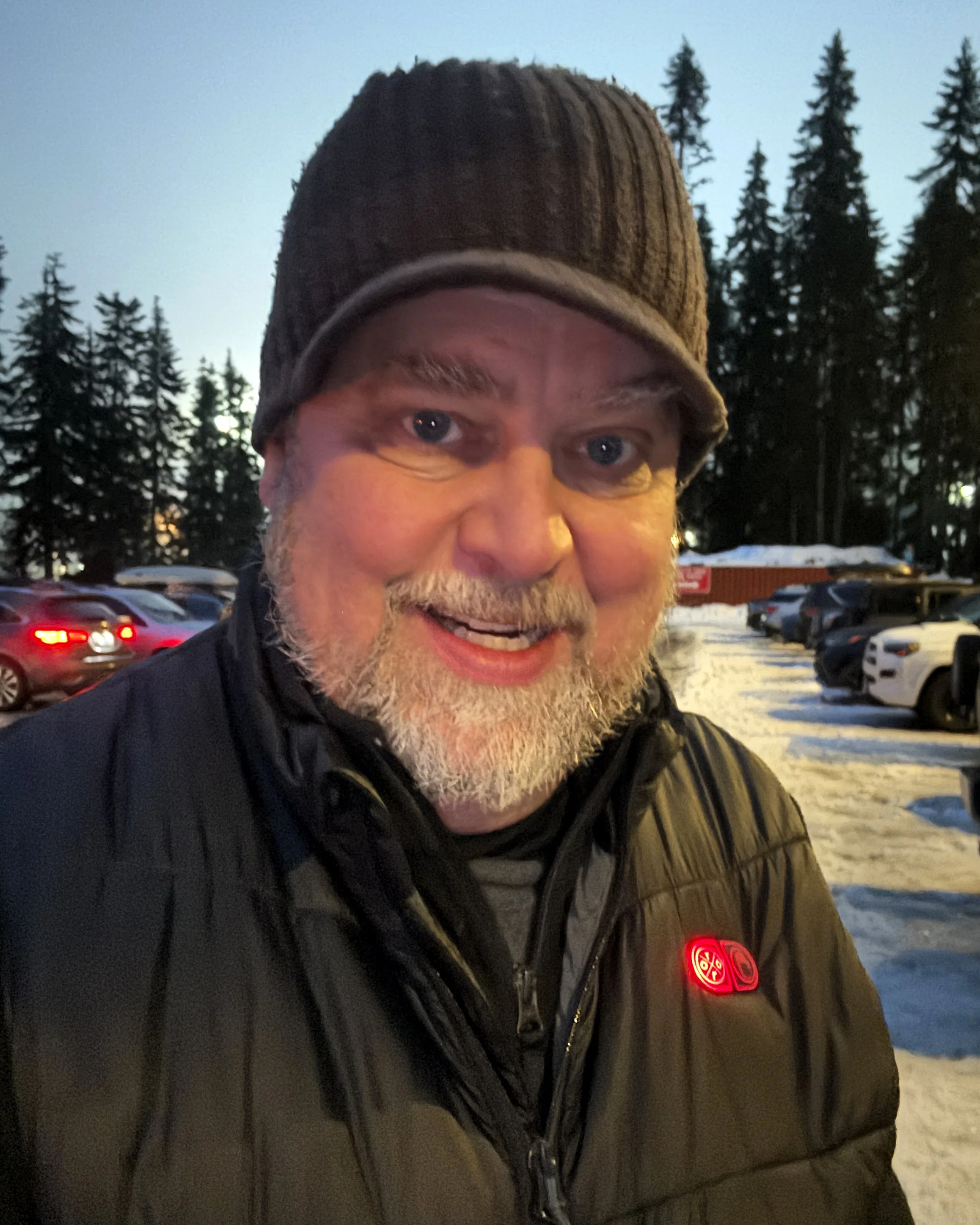
If you’ve ever RVed in the Pacific Northwest, you know how the cold can sneak in during late-season hookups, foggy morning coffee walks, or packing up camp after sunset. In this episode of RV Out West, we dive into winter RV camping, sharing practical tips to stay warm, extend your camping season, and truly enjoy your time on the road.
We explore the perks of winter RVing from fewer crowds, snow-covered scenery, and peaceful campgrounds to what you should consider before venturing out. I talk about propane management, condensation control, extra layers, and planning for mountain passes in icy conditions. I also share my personal experiences towing over the Cascade Mountains in winter, including preparation, traction strategies, and how to stay safe and confident in challenging weather.
As part of this episode, I review a piece of gear that has been a game-changer this season: the Ororo Sure Warm 7-Zone Heated Vest, paired with their Merino Wool Hoodie. I share real-world testing in late fall camping, snowboarding trips, and even extreme cold conditions in Kansas City.
Winter RVing isn’t just about enduring the cold—it’s about experiencing the road in a slower, quieter, and more magical way. From serene state parks to snow-dusted mountains, this episode will inspire you to rethink your RV season and enjoy the beauty of winter adventures in the Pacific Northwest.
SHOW NOTES
Episode Description:
Discover the magic of winter RVing in the Pacific Northwest! Learn practical tips on staying warm, managing propane and condensation, packing extra layers, and safely towing mountain passes. Plus, I review the Ororo Sure Warm 7-Zone Heated Vest and Merino Wool Hoodie, sharing real-world testing on camping, snowboarding, and extreme cold.
Episode Highlights:
Why Winter RV Camping is Worth It
Explore the perks of winter RVing: fewer crowds, snow-covered scenery, peaceful campgrounds, and slower, calmer adventures in the Pacific Northwest. Discover why waking up to frosty mornings and quiet parks can make winter camping a season to savor.Planning & Safety Tips for Cold Weather RVing
Propane Management: Carry extra tanks and learn to prevent propane vapor lock. Read More About Propane Vapor Lock
Redundant Heating: Use a tower-style electric space heater as a backup, plug directly into the campground pedestal, and follow safety precautions.
Condensation Control: Tips to avoid mold and moisture damage in your RV.
Essential Winter RV Gear
Clothing & Layering: Extra base layers, gloves, wool socks, and insulated boots.
Diesel Engines: Plug in the block heater when temps drop below 25°F.
Emergency Supplies: Flashlight, headlamp, tool kit, snow shovel, tow strap, chains, battery pack, first aid kit, flares, triangles, and a blue tarp.
Driving & Towing in Winter
Experience towing up to Stevens Pass F Lot with 6" of snow and why knowing your true towing capacity matters.
Stevens Pass F Lot past episodes: Episode 32 and Episode 58
Tips for traveling Highway 2 safely, checking WSDOT Travel Updates and NOAA Summit Weather Conditions.
Real-life stories of winter closures, icy roads, and preparation strategies for winter mountain passes.
Ororo Sure Warm 7-Zone Heated Vest & Merino Wool Shirt Review
Learn about the Ororo Sure Warm Heated Vest and how it delivers warmth in seven zones, with dual-control settings, a lightweight water- and wind-resistant shell, and a rechargeable battery providing up to 20 hours of heat.
The vest paired with the Ororo Merino Wool Blend Baselayer Hoodie offers optimal winter layering.
Insights on battery life, fit, controls, pocket design, and real-world testing from everyday wear to winter snowboarding adventures.
Winter RV Camping Mindset
Winter doesn’t have to feel like prepping for an apocalypse. Even the lowlands of the Pacific Northwest can offer crisp, quiet mornings without extreme conditions.
Tips for staying cozy, safe, and enjoying your RV in colder months.
Resources & Links:
Ororo Sure Warm Heated Vest – Learn More
Ororo Merino Wool Blend Hoodie – Learn More
Stevens Pass RV Overnight Lot Info – Stevens Pass F Lot
WSDOT Highway 2 Winter Updates – WSDOT Travel Info
NOAA Stevens Pass Weather – Summit Conditions
Stay Connected With The Show
Sign up for the RV Out West Newsletter
👉 Sign up via the link in this episode description or visit
https://rvoutwest.com/newsletter
Follow the Journey on Social Media:
Podcast Episode Transcript:
Winter RVing Tips for Cold-Weather Adventures
TEASER:
Late fall, early winter… here’s what you need to know to camp smart and stay warm on the road.
OPENING:
If you’ve spent any time RVing in the Pacific Northwest, you know the cold has a way of sneaking in — during late-season hookups, foggy morning coffee walks, or buttoning up camp after sunset. Today, we’re diving into winter RV camping — how to stay comfortable, extend your season, and actually enjoy it — and along the way, I’ll share a piece of gear that’s been a game changer for me: the OORO Sure Warm heated vest.
We will also break down what winter RV camping is really like and why it might just become a new season for you to consider. We’ll talk about the perks of fewer crowds and snow-covered scenery, what to consider before you go, and smart tips for staying warm and protecting your rig when temperatures drop. We’ll also get into towing mountain passes in winter, including preparation, traction, and mindset, so you can travel confidently when the weather turns.
Most people park the rig when the temperature drops. They winterize, plug in at home, and wait for spring. But there’s something about pulling into a campground with snow on the ground and steam rising from your coffee that feels different. The air is crisp, the crowds are gone, and the world feels quieter. The crunch of boots on frozen gravel, the glow of your RV windows against an early sunset, the kind of stillness you just don’t get in July. Winter RVing isn’t about braving the cold. It’s about experiencing the road in a way that feels slower, calmer, and surprisingly alive.
There’s a different kind of magic to pulling into a state park in the winter. The campsites that were packed in July now sit wide open, the roads are quiet, and the only sounds are wind through the trees and the soft crunch of snow under your boots. Lakes look like glass, mountains feel bigger, and sunsets seem to linger a little longer against a cold sky. You’re not competing for space or rushing to claim a spot. You get room to breathe, time to slow down, and parks that feel almost entirely your own. Winter RVing isn’t about enduring the season. It’s about discovering how peaceful the road can truly be.
I’ll be the first to say, I didn’t always think winter camping was for me. But after a few New Year’s Eve trips in our Jayco travel trailer or that time I towed up the Cascades Mountains to camp in the F lot at Stevens Pass and we woke up to six inches of fresh powder outside the door, and all I had to do was grab my snowboard and head to the lifts, I started to see it differently.
There’s something unforgettable about stepping out into that kind of morning. That said, winter RVing isn’t something you just wing. If it’s on your list, there are a few important things you’ll want to think through before you head up the mountain.
If you’re planning a winter RV camp, start with propane. Cold weather camping burns through it faster than most people expect, especially if you’re running the furnace overnight. Always carry extra propane tanks if you can, and don’t assume one fill will last the weekend. In very cold temps, you can also run into propane vapor lock. That happens when the liquid propane in the tank gets so cold it can’t vaporize fast enough to supply the furnace. You’ll notice weak flame, appliances sputtering, or the furnace failing to ignite even though the tank isn’t empty. If that happens, warm the tank gradually by moving it out of direct wind, insulating it, or swapping to a fuller tank. Keeping tanks topped off and protected from extreme cold helps prevent the issue in the first place.
Redundancy matters in winter. If your propane system struggles, you need a backup heat source. We use a tower-style electric space heater, and modern units are far safer and more efficient than the old glowing-coil models. Look for tip-over protection, overheat shutoff, and a thermostat. When hookups are available, plug the heater directly into the campground pedestal using a properly rated extension cord rather than into an interior RV outlet. That keeps you from overloading your RV’s electrical circuits and adds an extra layer of safety.
Managing condensation in your RV is crucial for comfort and preventing long-term damage. Excess moisture can lead to musty smells, mold growth, and even structural issues over time. To keep condensation under control, run your roof vents or fans whenever cooking or showering, use a dehumidifier in damp areas, and crack a window slightly to allow airflow. Insulating windows with thermal curtains or vent covers can also help reduce temperature differences that create condensation. Staying on top of moisture not only protects your RV but also keeps your living space cozy and healthy during winter trips.
Pack like you might get stuck. Extra base layers, gloves, wool socks, and insulated boots make a huge difference. Bring more food than you think you’ll need, especially if you’re heading into the mountains where a snowstorm can close passes overnight. Highway 2 is known to close depending on avalanche and road conditions. I’ve been stuck sitting in my truck idling for a couple of hours while WashDot does their thing to get the roads open. A few extra days of meals, water, and coffee can turn a delay into part of the adventure instead of a stressful situation.
If you’re running a diesel truck, plug in the block heater at the pedestal when temps drop below 25°F to protect your engine and ensure easier starts. Beyond that, think about condensation control inside the RV, carry tire chains even if you have a four wheel drive, keep your freshwater hose heated or fill your tank and disconnect, and always monitor weather and pass reports before moving. Winter RV camping rewards preparation. Do it right, and you’ll wake up to snow-covered silence that makes all the planning worth it.
Winter RV camping doesn’t have to feel like prepping for the apocalypse. Here in the lowlands of the Pacific Northwest, it usually just means colder temperatures, more rain, and a little extra wind. And with the right mindset and gear, those cold mornings will turn into some of your favorite memories on the road.
All right, we’re going to take a quick break, and when we come back, we are going to talk about one of my newest and most reliable pieces of late fall and winter mountain gear.
Hey it books were back with RV out West, last segment we were talking about all the considerations and tips for late fall and winter camping, now lets dive into one of the most reliable pieces of gear I’ve been using this season.
Staying warm is the difference between loving it and cutting your trip short. After a few frosty mornings and icy windshields, I realized I needed a little extra help to really enjoy late fall season RVing and winter snowboarding up in the Mountains. That’s where the gear I’ve been testing since this past fall comes in: the Ooro Sure Warm Heated Vest paired with their Merino Wool long sleeve hoodie shirt. Just so you know, this is a sponsored review—the gear was provided to me in the fall—but as always, these are completely my own opinions after using it on the road in real winter conditions. I’ve been putting the Ooro heated vest and Merino Wool shirt through their paces, testing them in a variety of winter conditions to see how they perform on the road.
Ororo started back in 2015 in the cold Midwest, born from a simple idea: what if you could take the chill out of cold weather without bulky layers? Over the past decade, they’ve grown into one of the most trusted heated apparel brands in the U.S., with products designed to keep people warm during outdoor work, adventures, or everyday life thanks to UL-certified rechargeable batteries and carbon fiber heating elements that deliver reliable warmth with the touch of a button.
The SureWarm 7‑Zone Dual‑Control Heated Vest is a premium heated vest designed to keep you warm in cold conditions with seven strategically placed heating zones across the shoulders, back, collar, and hand pockets, giving broad coverage where you need it most. It features a dual-control system so you can independently adjust heat to your core and pockets, and offers multiple heat settings that can deliver warmth for up to 20 hours on low — perfect for chilly mornings around the campground or long winter hikes. The water- and wind-resistant shell and lightweight construction make it easy to layer with other gear, and the included rechargeable battery heats up in seconds to help keep you comfortable on cold days and nights.
I’ve been wearing and using this heated vest since October, and even though the weather here in the PNW has been unusually warm compared to past years, I’ve still made a point to put it through a wide range of conditions. I’ve worn it around town running errands, layered it as an outer piece during long workdays, and packed it along for late-season fall camping trips. It’s been with me up in the Cascades on snowboarding days, and it really proved itself at the KC RV Show when Snowpocalypse rolled in, temperatures dropped to -10°F, and I had a three-block walk from my hotel to the convention center. From mild coastal chill to deep freeze conditions, I’ve tested it in just about every scenario I could find to see how it performs.
After months of wearing it in everyday life and on the road, in mild drizzle and subzero wind, I feel like I’ve got a pretty solid handle on how it actually performs. So now, instead of just talking about features on a spec sheet, I want to share what I’ve genuinely experienced with the Ororo Sure Warm heated vest — what I like, what surprised me, and who I think it’s really for.
The vest itself is stylish, works well as even just an urban piece of clothing to wear out with jeans, a flannel shirt and a beanie. When I ordered mine, black was the only color option that the vest came in. You can never go wrong with black as a staple color, but I do wish they had a couple of different color options. I will also add that I was just recently on their website and they now offer a second color Charcoal Slate which is a cool dark grey. From a sizing perspective and per the size guide on their website, I ordered a Large and I was waffling about getting an XL as I was really between those two sizes. I’m so glad that I ordered the large as it fits me great and the XL would have been way too big on me. With that said, I also have a large Patagonia puff vest and that large is smaller than the Ororo one, so I’d say that the Ororo runs a bit big. Even without the heating elements turned on, this vest is very warm and cozy.
What’s great is that their design team I can tell was very thoughtful about the placement of the battery. What I mean by that is when you’re wearing this vest you don’t even know where the battery is and it’s a pretty good size battery. The placement of the battery pocket is fantastic and it really doesn’t interfere with daily life. I also stowed the charging cable for the battery pack in the same pocket, just so I wouldn’t lose it ,but also to keep the two of them together in case I ever needed to charge it while I was out and about. Which to this point I never had.
The battery pack included with the Ororo SureWarm 7-Zone heated vest is built to keep you warm all day on the road. It delivers 5075 mAh of capacity and fully charges in about 2 hours using a USB-C charger, which provides you with up to 20 hours of warmth on low heat depending on how many zones you run. The compact battery also supports fast preheating and can even recharge a phone on the go, making it a versatile power source.
One small thing I’d love to see in a future version is a zippered chest pocket, either interior or exterior on the left side. I found myself instinctively reaching for a spot to stash my phone or wallet, especially when now that my season pass is via an app on my phone it would make it easier for getting through a lift line. The vest has solid pocket space, but a dedicated chest pocket would make it even more functional for everyday wear and travel. It’s not a deal breaker by any stretch, just one thoughtful upgrade that would take an already strong piece of gear to the next level.
One other piece of constructive feedback is around the controls. The vest didn’t really come with clear instructions explaining what the two buttons did or how the three heat levels worked. I ended up doing a little trial and error to figure it out, and even after watching a few YouTube videos, I didn’t find a straightforward explanation of the dual controls or the heated pocket icon. Once you understand it, it’s simple, but at first it takes a little testing to figure it all out. The color system also felt slightly counterintuitive. High is red, which makes sense, but medium is dark blue and low is light blue. My brain naturally associates blue with cooling, and this vest definitely does not cool. A simple quick-start card explaining the buttons and color coding would make the first experience much smoother.
Layering the Ororo Sure Warm heated vest with their unisex Merino Wool Blend Baselayer hooded shirt creates a powerful combination for staying comfortable in cold weather. The merino wool blend naturally regulates temperature, wicks moisture, and feels soft next to your skin, while the heated vest delivers targeted warmth across your core where you need it most. Because merino wool helps manage moisture and odor, it’s an ideal base that keeps you dry and comfortable, allowing the vest’s heat zones to work efficiently without overheating. Together, they provide a balanced system—natural insulation plus adjustable powered warmth— perfect for those early morning dog walks, late nights around a campfire, late season hikes, or any other situation where you’ll be outside from late October through until easily early May.
At the end of the day, the Ororo Sure Warm heated vest and hooded merino wool shirt have become one of those pieces of gear I genuinely rely on. It’s moved seamlessly from everyday life to long days and nights up in the mountains snowboarding. And when Kansas City dropped to minus 10 degrees Fahrenheit during the RV show, it absolutely saved my bacon on that freezing walk to the convention center. I was very glad I had packed it. It’s not just a novelty piece of tech — it’s stylish, practical, and dependable warmth that’s earned its place in my cold-weather rotation.
If you want to learn more about the Ororo Sure Warm 7-Zone Heated Vest or the Merino Wool shirt, be sure to head over to our website at rv out west dot com. You’ll also find links in the show notes for this episode so you can explore their high-quality gear and see why it’s become a go-to for winter RVing adventures.
Dialing in your winter layering system is only part of the equation. Once you’re warm and comfortable, the next challenge is getting where you’re going—especially when your route includes steep grades, icy pavement, and unpredictable mountain weather. So let’s shift gears and talk about traveling and towing through winter mountain passes, and what you need to know before you point your rig toward higher elevations.
The Cascade Mountains in winter are a world unto themselves—blankets of fresh snow stretch across towering evergreens, the peaks glinting like frosted glass under a pale winter sun. Every turn on the icy roads feels like stepping into a painting, breathtaking and fragile. Clouds roll through the valleys, hugging the slopes, and the wind whispers across ridgelines as if warning you to stay sharp. The highway narrows, black ice glinting under your tires, and each gear shift is deliberate, every brake a calculated choice. It’s both exhilarating and humbling—a reminder that the mountains demand respect, yet reward you with moments of awe that linger long after the drive is done.
Every winter, I make the trek up Highway 2 into the Cascades almost every weekend, chasing fresh powder and that perfect run. After countless hours behind the windshield, I’ve seen it all—blinding snowstorms, icy patches, and the full spectrum of winter driving skills (and not-so-skills) from fellow travelers. I’ve even been stuck idling for three hours on a closed highway, unable to move forward or turn back, just waiting it out. With all that experience, I’ve learned a lot about what works—and what doesn’t—so I want to share some of my personal tips for safely driving up and over the Cascade Mountains in winter.
When I head up to the mountains in the winter, every item I bring has a purpose. A flashlight and headlamp are essential for visibility if I get stuck after dark. My tool kit with ratchets, wrenches, and a multimeter helps me troubleshoot mechanical or electrical issues on the spot. A snow shovel and tow strap are lifesavers if I need to dig out or pull myself—or someone else—free. Chains are a must, even for a four-wheel-drive diesel, to gain traction on icy passes. I carry a battery jump pack in case my truck won’t start, and a med kit for any emergencies. Flares and triangles help signal for help, while a blue tarp can provide shelter or protect equipment from the snow. Each item is about preparedness, safety, and peace of mind when winter conditions get unpredictable.
I also pack some extra food and water inside the cab. One of our big traditions is that after a long day of riding in the mountains I always make tailgate coffee and a cup of noodles. It might not be the healthiest, but it’s quick and warming for the drive home.
Before every winter trip into the mountains, I make sure to top off my fuel tank completely. From experience, being stuck idling for hours on a closed highway isn’t just inconvenient—it can quickly become dangerous in freezing temperatures. I’ve been stuck on Highway 2 before, waiting for hours while the road was closed, and having a full tank ensures I can run the heater as long as needed. I also check NOAA for summit conditions at Stevens Pass and WSDOT for any travel updates on Highway 2. This gives me real-time information on road closures, snow levels, and current hazards, helping me plan my trip safely and avoid surprises on the pass.
I towed my trailer up to Stevens Pass F Lot, the RV overnight lot, in early March near the end of the season. The roads up were perfectly fine, but overnight we got about 6 inches of fresh snow. Getting out of the lot and towing in those conditions required a bit more awareness, but it wasn’t difficult with the right preparation. If you’re planning something similar, be honest with yourself about your true towing capacity and skill level. I recommend having at least 20% extra margin in your tow rating—this keeps you from overworking your brakes, transmission, or suspension, and most importantly, keeps you and others safe on the mountain.
Driving mountain passes in the winter is a mix of awe and respect. The snow-covered peaks glisten in the morning light, the wind whistling through the pines, but every turn reminds you that nature doesn’t negotiate. After countless trips over the Cascades, from idling behind closures to carefully towing through fresh powder, I’ve learned it’s about preparation, patience, and staying aware. Winter RVing isn’t just about the destinations—it’s about the journey, the challenges, and the quiet rewards when you make it safely to your next stop. I hope these tips and stories inspire you to enjoy the snow, respect the road, and plan your winter adventures with confidence.
CLOSING
Before we wrap up, be sure to head over to rvoutwest.com for the full show notes and links to all the resources we talked about in this episode. While you’re there, don’t forget to sign up for our newsletter—it’s where we share new episodes, destination guides, stories from the road, and thoughtful tips to inspire your next adventure. You can sign up using the link in this episode’s podcast description, the link in our Instagram bio, or directly on our website at rv out west dot com. Remember the first issue is coming to your inbox this wednesday so sign up today so you don't miss out on this inaugural newsletter.
Next Monday, we’re taking you to Sun Valley, Idaho. It’s an epic mountain town, and I’m going to spill some tea as to why you may want to consider this area for your next getaway. Don’t miss this special Destination episode next week.